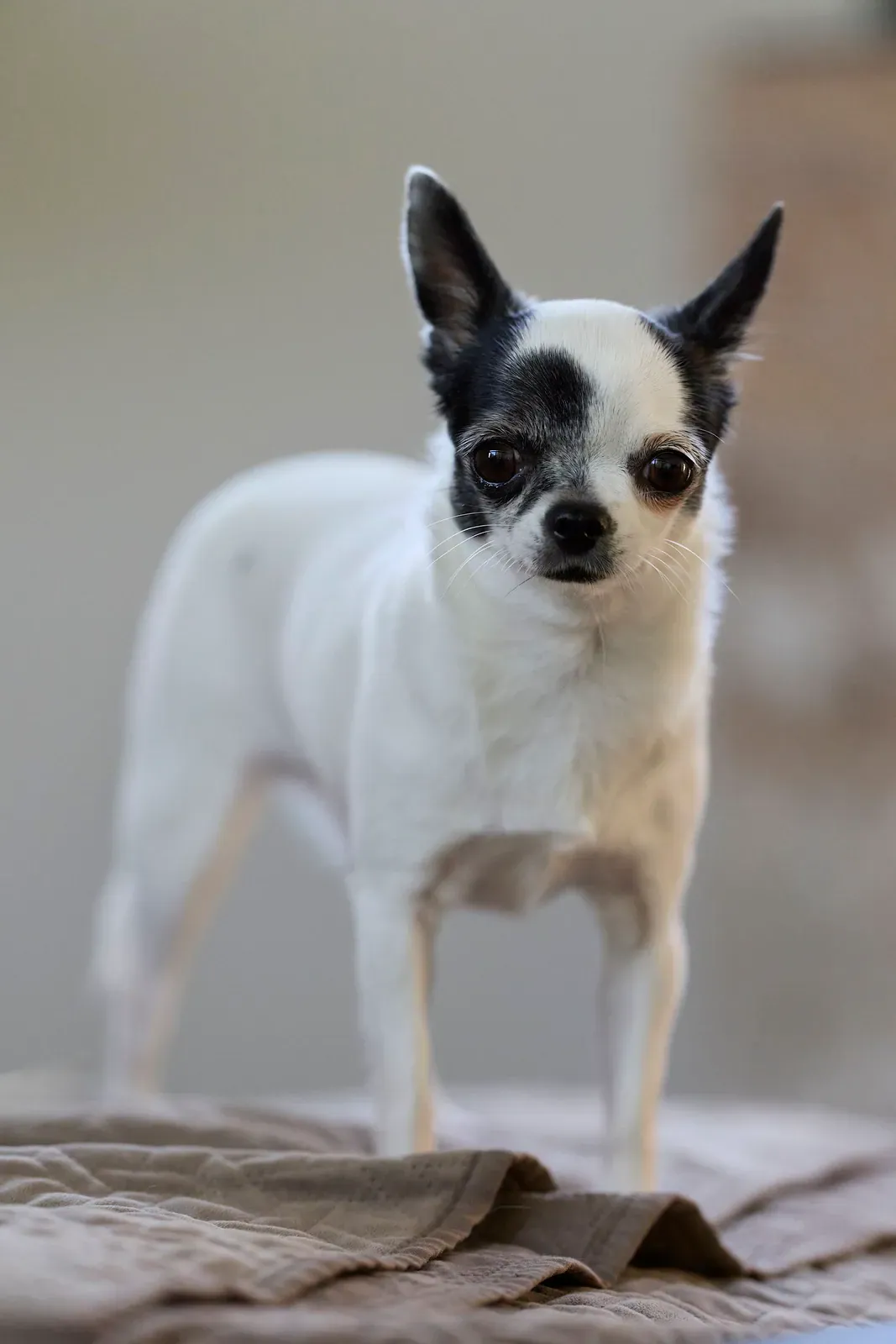
It weighs about 1.5 to 3 kg, comes in smooth and long coats, and is known for a big personality and a strong bond with one person. Its deeper past is debated. Ancient DNA shows some pre-contact American dog ancestry, but only a small share, so the popular claim of a direct line from Aztec temple dogs is not proven. It suits adults who want a small, devoted dog and will commit to dental care, warmth and gentle handling.
Chihuahua quick facts
 Related breedBelgian Malinois1891 to 1901 · Belgium
- Closest DNA relatives
- Chinese Crested Dog, American Hairless Terrier
- Country of origin
- Mexico (state of Chihuahua; FCI lists Mexico)
- Period of development
- About 1850 to 1904 as a recognised breed (project data, medium confidence); older roots debated
- Type
- Companion and toy dog (FCI Group 9, Companion and Toy Dogs, standard no. 218; AKC Toy Group; UK Kennel Club Toy Group)
- Height
- Not fixed by the AKC standard. Typical 15 to 23 cm at the shoulder
- Weight
- AKC: not over 2.7 kg (6 lb), heavier dogs disqualified. FCI standard: ideally 1.5 to 3 kg
- Coat
- Two varieties: smooth (short) and long
- Colours
- Any colour or mix, solid, marked or splashed
- Life span
- Project data: 8 to 12 years (UK veterinary median 8.2). Breed clubs quote 12 to 20
- DNA family
- American Toy family (Parker et al. 2017)
- Descendant breed
- Toy Fox Terrier (project data)

Where does the name "Chihuahua" come from?
 Related breedBoxer1880 to 1904 · Germany
The breed is named after the Mexican state of Chihuahua, where dealers and travellers found the small dogs in the 19th century. The state's own name is usually traced to a Nahuatl or Indigenous place name, with several proposed meanings, and no single meaning is settled. FCI lists the official name as "Chihuahueño (Chihuahua)", and "Chihuahueño" is the Spanish form. Early American writers also called them "Arizona dogs" or "Texas dogs", after the border regions where they were sold.
What is the history of the Chihuahua?
 Same eraBullmastiff1860 to 1924 · United Kingdom
The Techichi and the Mexican story
The popular account says the Chihuahua descends from the Techichi, a small dog kept by the Toltec and later by the Aztec people of central Mexico. Colonial-era writers describe small, mostly mute dogs that were kept as companions, bred for food, and sometimes buried with the dead in the belief that they guided the soul. Small dog figures in pottery from Colima in western Mexico are often pointed to as evidence of a small dog type, though such figures cannot show that the animals were direct ancestors of the modern breed.
This is where honesty matters. The Techichi is extinct, no living dog is proven to descend only from it, and the link is a tradition, not a documented pedigree. Treat "the Chihuahua is the Techichi" as a story with some support, not as settled fact.
What does ancient DNA say?
Ancient DNA studies have given a more careful answer than either legend or sceptic expected.
- The 2018 study. Ní Leathlobhair and colleagues (Science, 2018) sequenced ancient dogs from North America and Siberia spanning about 9,000 years. Dogs in the Americas formed their own lineage, which likely came from Siberia with the first people, and after European arrival this lineage almost vanished. Very little of it survives in modern breeds.
- Pre-contact ancestry in the Chihuahua. A later analysis of ancient dog genomes, reported in 2020, estimates that about 4 percent of the Chihuahua genome comes from pre-contact American dogs (about 3 percent in the Xoloitzcuintli). This is a small share, but it is real, and it makes the Chihuahua one of the few modern breeds with any such ancestry.
- Conflicting earlier claims. An older estimate suggested a much higher pre-contact share, up to about 70 percent. The newer genome-based figure is far lower, and most of the Chihuahua's DNA is from dogs that arrived with Europeans.
Put together, the evidence supports a mixed origin. A small, old Mexican dog population probably contributed, and later crosses with European and other toy dogs, probably in the 19th century when the breed was shaped and exported, supplied most of the rest. The exact crosses are not documented. The project data lists no parent breeds for the Chihuahua for this reason.
From the Mexican border to the show ring
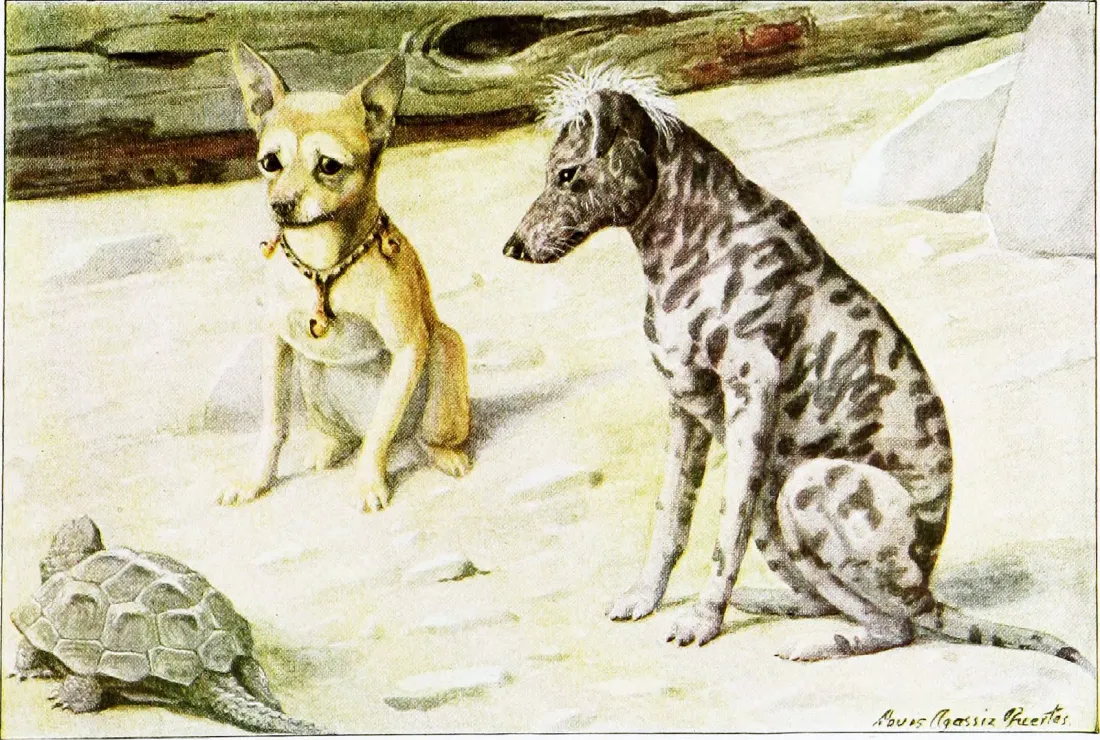
Written accounts place the first Chihuahuas outside Mexico in the second half of the 19th century. Small dogs were sold to American visitors in Chihuahua and along the Texas and Arizona border, and the dogs were then registered by US breeders. The American Kennel Club recognised the breed in 1904, and its first registered dog is recorded as "Midget", owned by H. Raynor of Texas. The Chihuahua Club of America was founded in 1923 and held its first specialty show in 1928, with 42 dogs, according to AKC archive material.
The breed reached Britain in the early 20th century. One breed history records a Chihuahua called "Topsey" as the first registered with the UK Kennel Club in 1907, with few registrations after that for years. Treat that date as reported, not checked against Kennel Club records.
Recognition
| Year | Event |
|---|---|
| 1904 | AKC recognises the breed |
| 1923 | Chihuahua Club of America founded |
| 1928 | First national specialty show, 42 dogs |
| Today | FCI standard no. 218 (definitive, country of origin Mexico); AKC Toy Group; UK Kennel Club Toy Group |

Which breeds are ancestors, descendants and relatives of the Chihuahua?
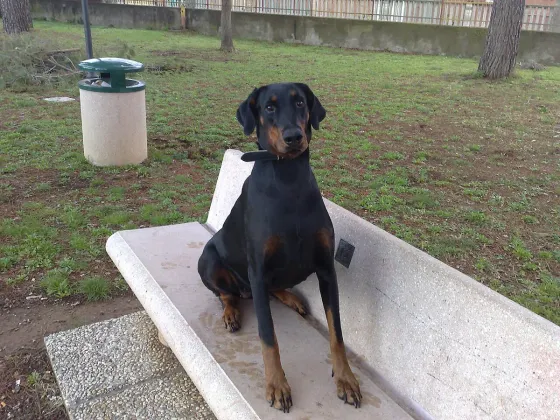 Same familyDobermann1880 to 1900 · Germany
The project knowledge base lists no parent breeds for the Chihuahua, and one child breed.
- Toy Fox Terrier. The project data lists the Toy Fox Terrier as a descendant. It is an American toy breed developed in the 20th century from the Smooth Fox Terrier with other small dogs, and the Chihuahua is named among the small breeds sometimes cited in its mix. Sources differ on the details, so treat the link as likely, not proven.
What does DNA say?
A 2017 study by Parker and colleagues (Cell Reports) analysed 1,346 dogs from 161 breeds and sorted them into 23 supported clades. The Chihuahua sits in the "American Toy" family with strong support. This family is made of small breeds with roots in North America and Europe, not of one shared ancient lineage. The study also measured shared , long stretches of identical DNA from common ancestors. The more (Mb) two breeds share, the stronger the sign of crossing or shared founders. It cannot show which way genes flowed.
Source: Parker et al. 2017, as recorded in this site's breed database.
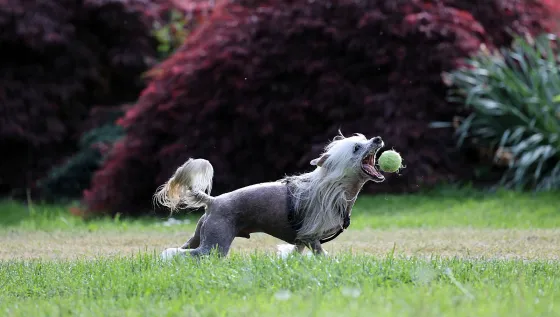
The Chinese Crested Dog sharing the most DNA is a surprise for a Mexican breed, because it is a toy dog with its own story and a hairless variety. The overlap is a sign that toy breeds were swapped and crossed more than their separate legends suggest. The Chihuahua is part of the American Toy family on this site.
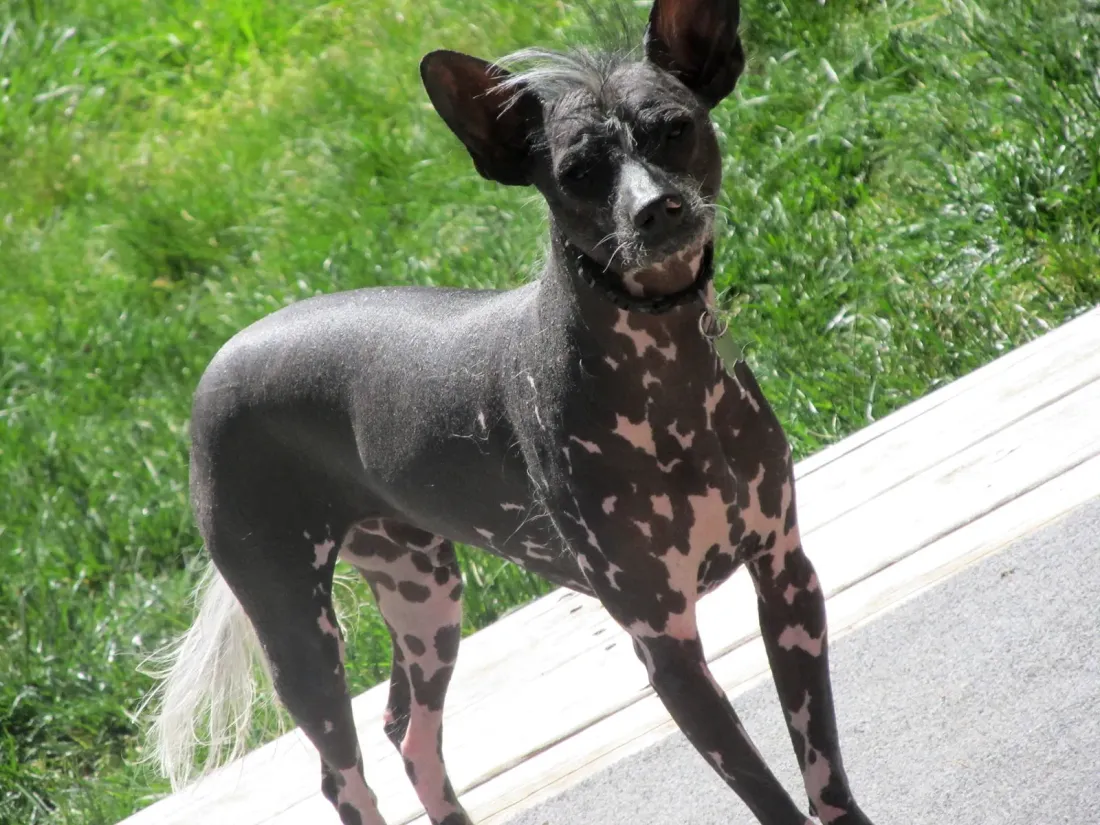
Descend from it · 1
- Toy Fox TerrierUnited States
- Chinese Crested Dog23.7 Mb 1.0%
- American Hairless Terrier10.5 Mb 0.4%
Source: Parker et al. 2017. Percent of the whole genome.
| Breedwith Chihuahua | Shared DNA with Chihuahua (Mb)Shared DNA (Mb) |
|---|---|
| Chinese Crested Dog | 23.7 |
| American Hairless Terrier | 10.5 |

How big is a Chihuahua and what does it look like?
 Looks relatedFlat-coated Retriever1860 to 1880 · United Kingdom
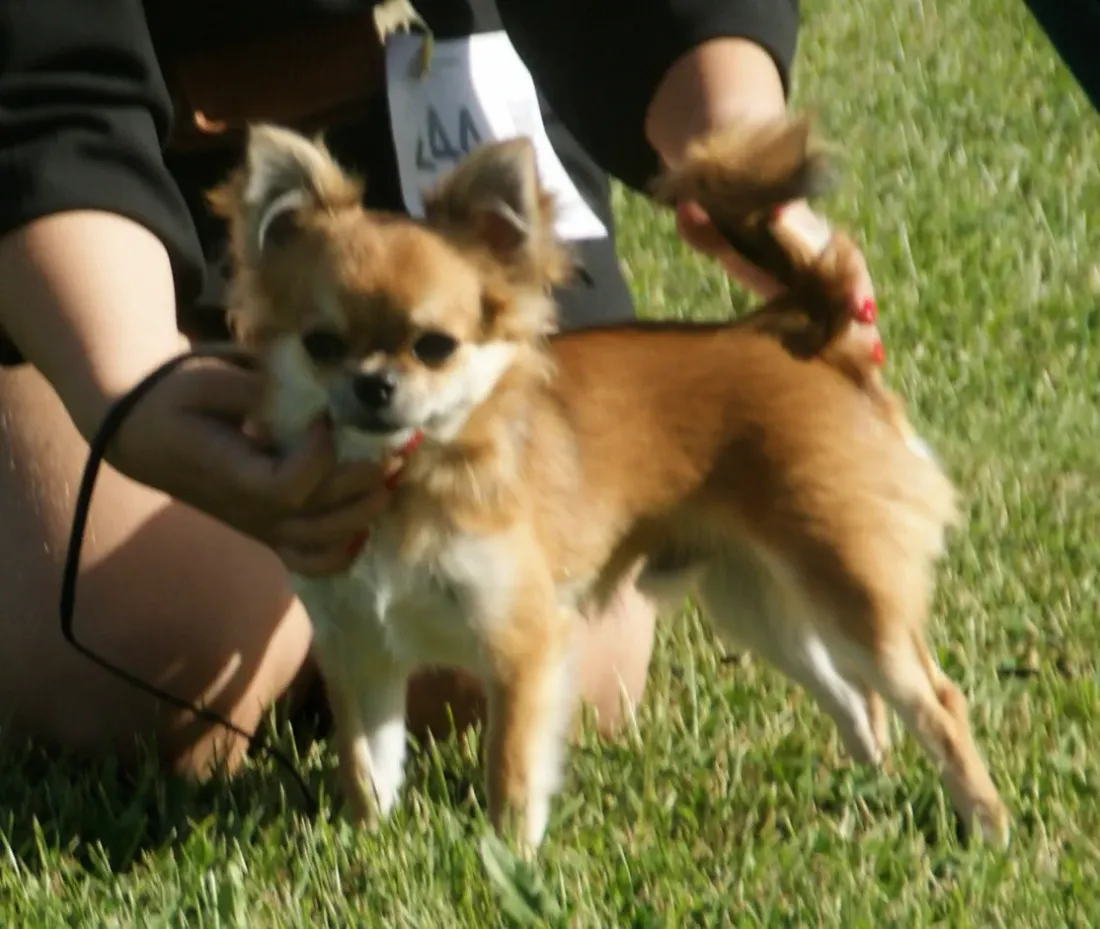
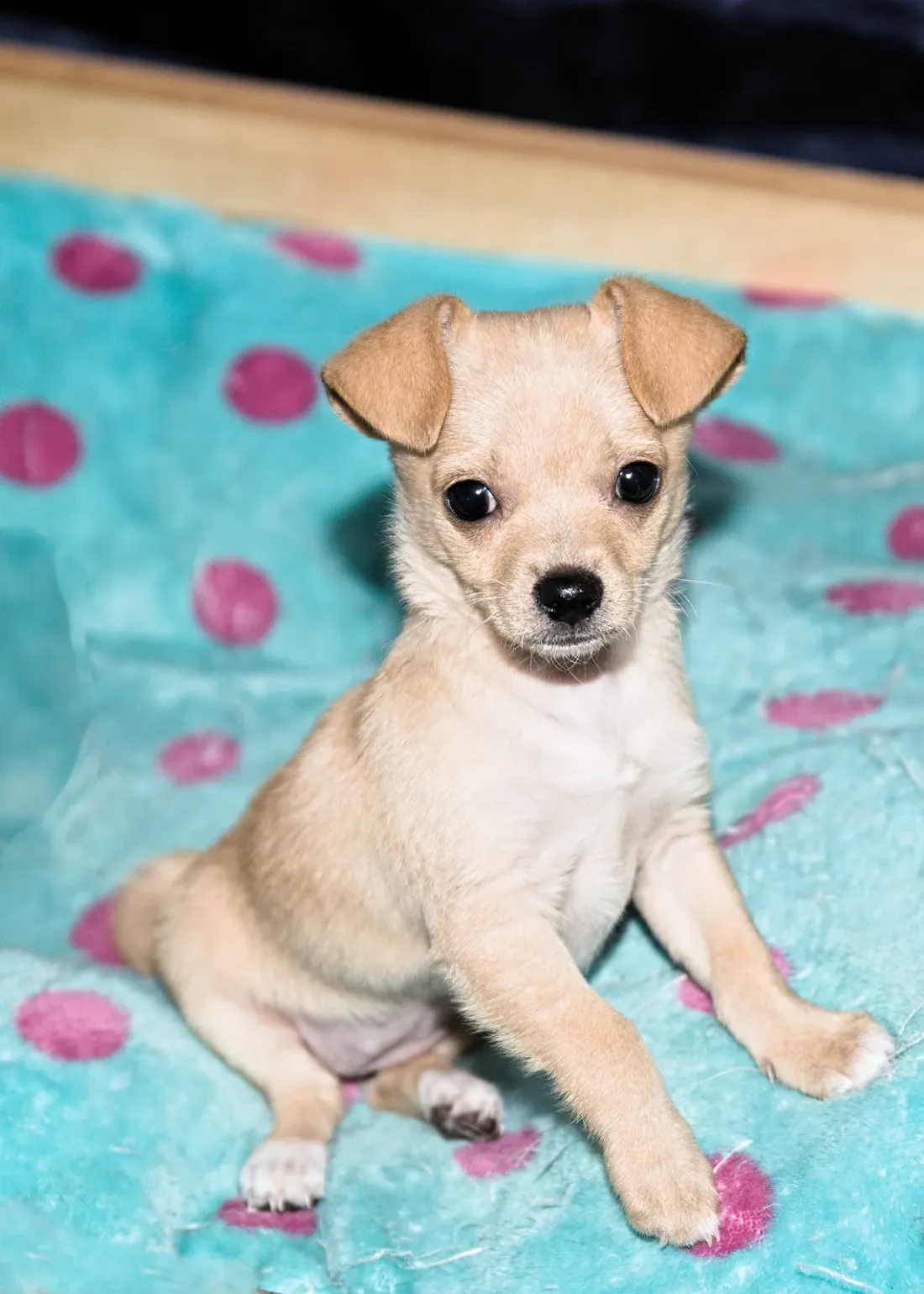
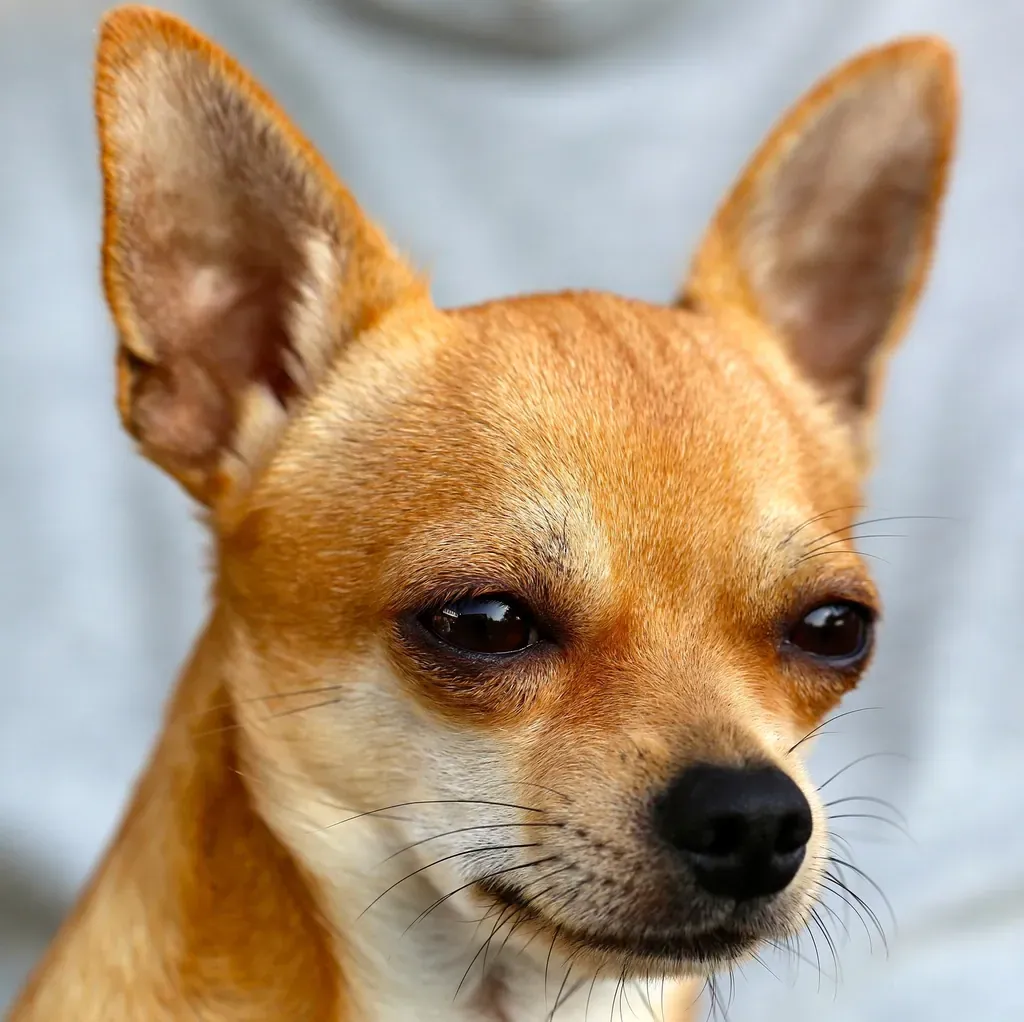
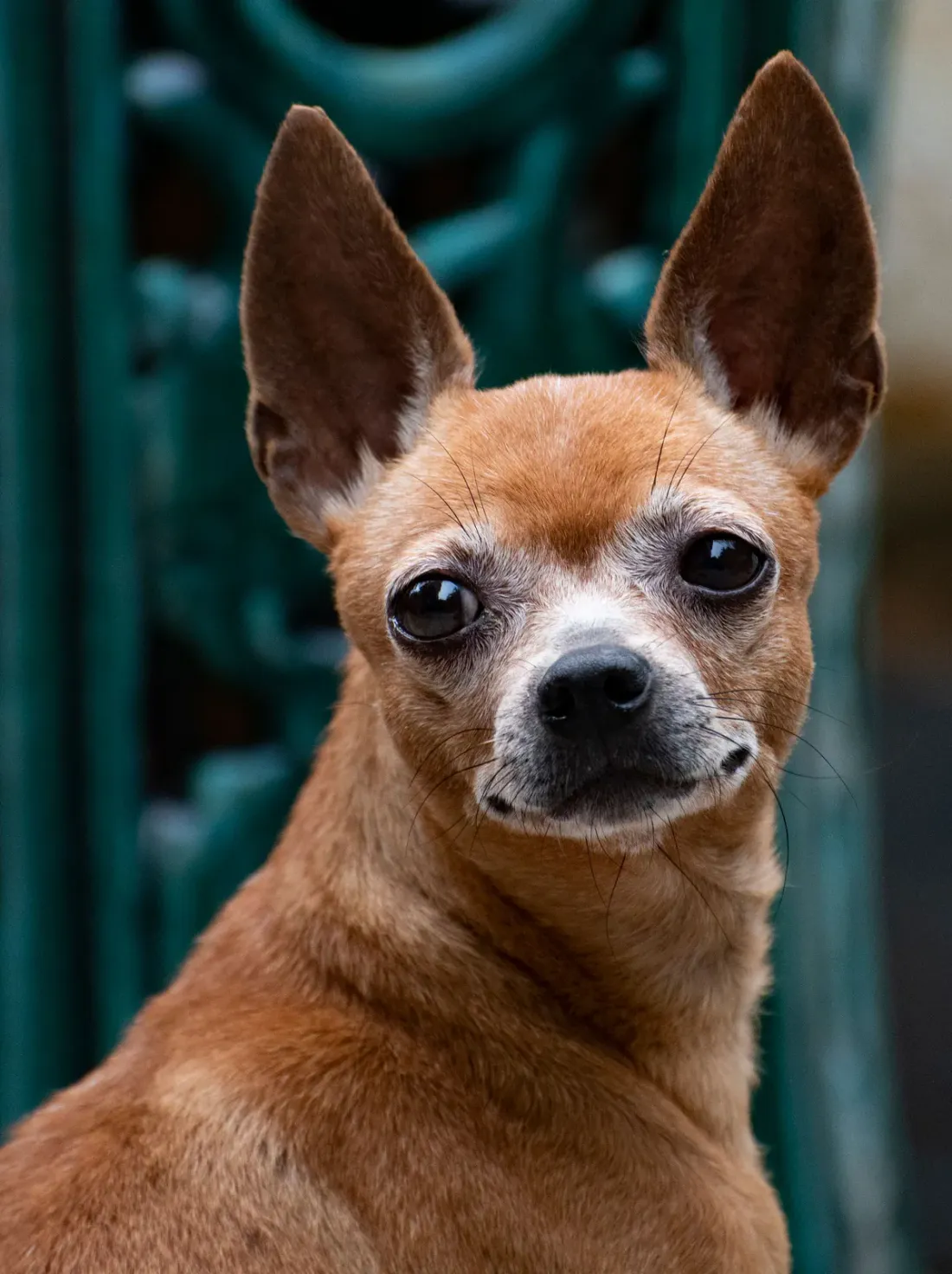
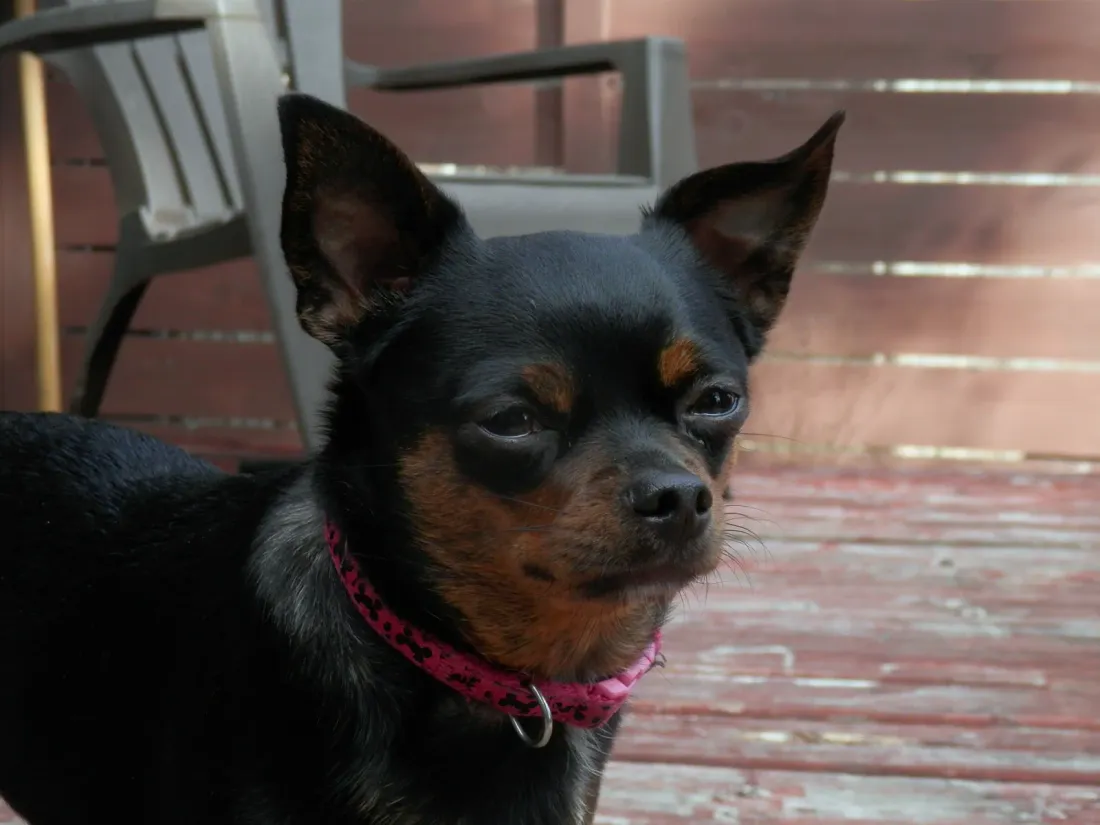
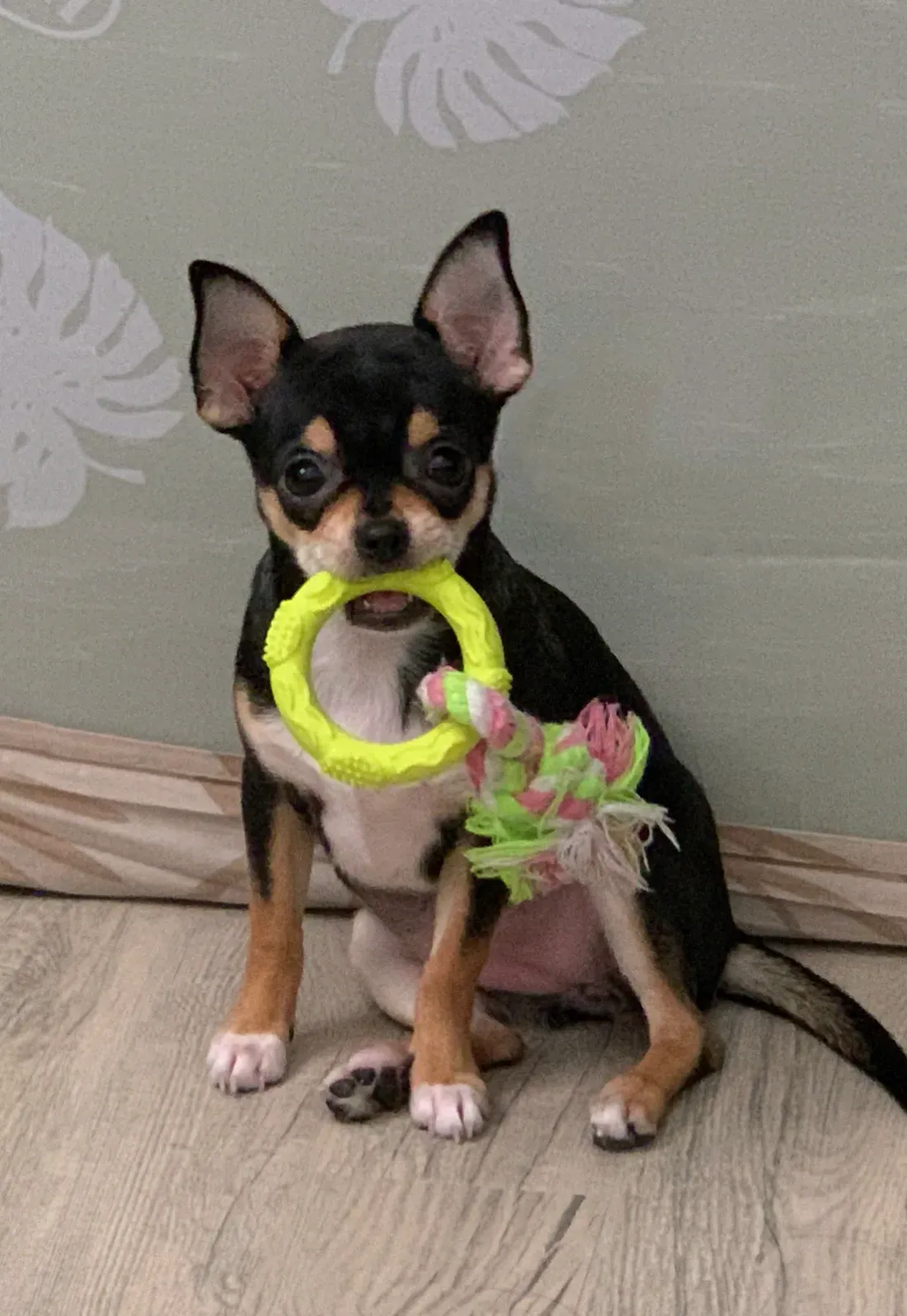
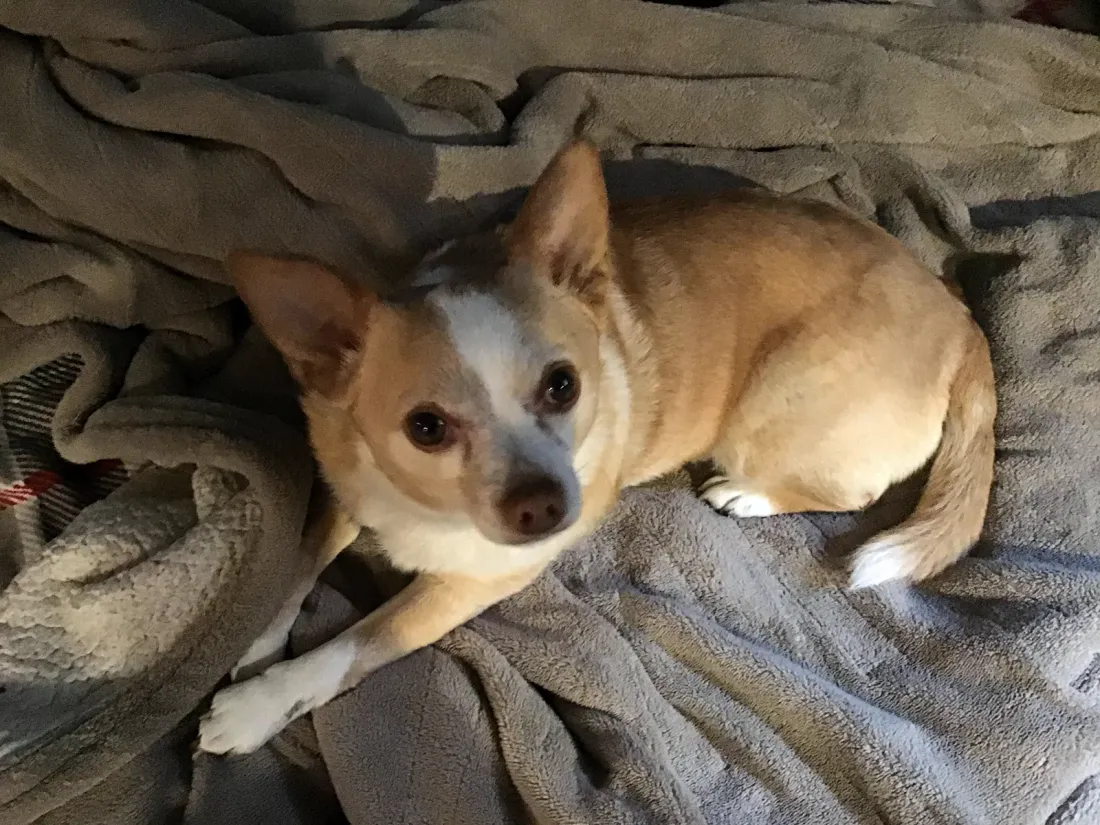
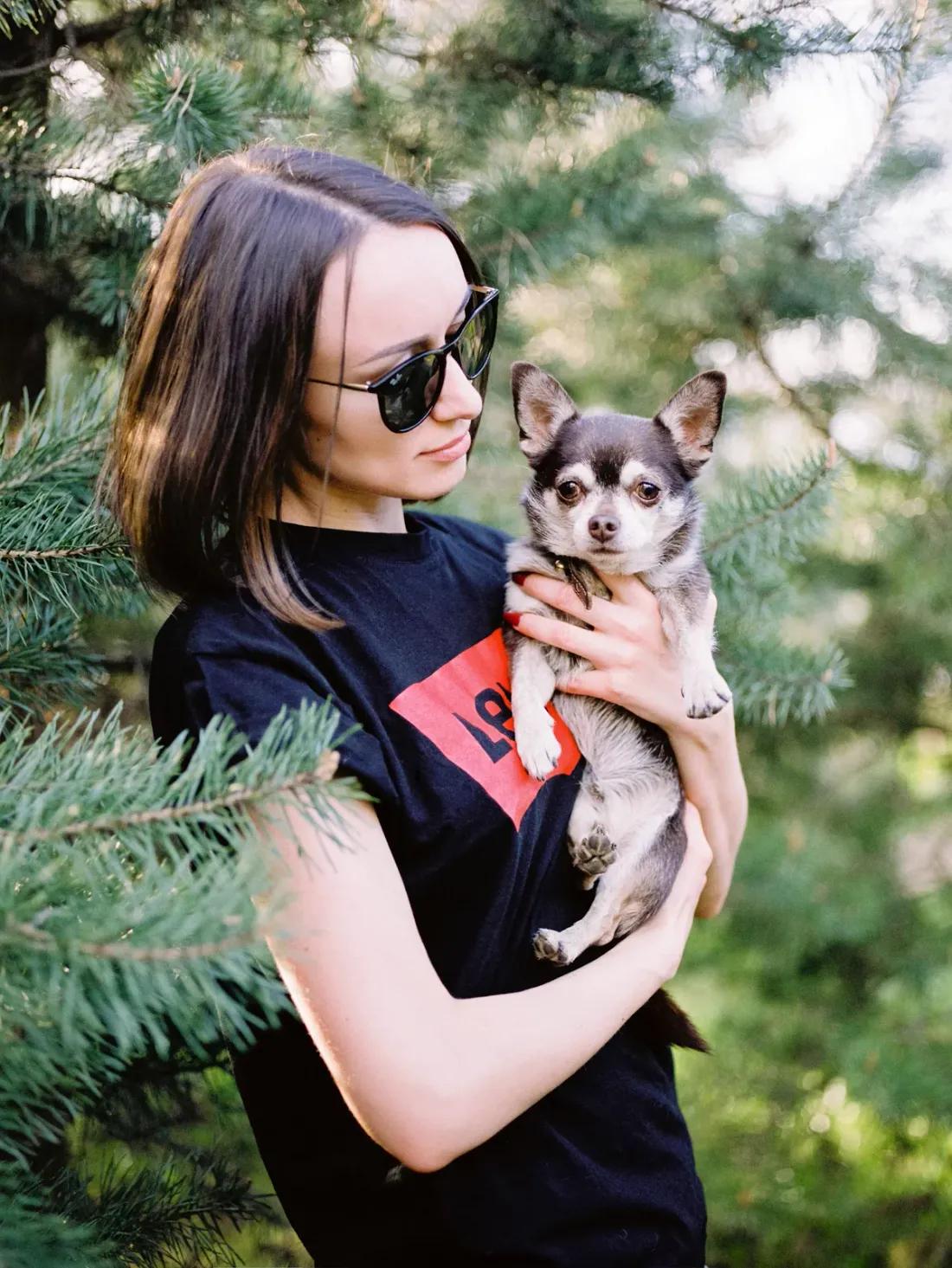
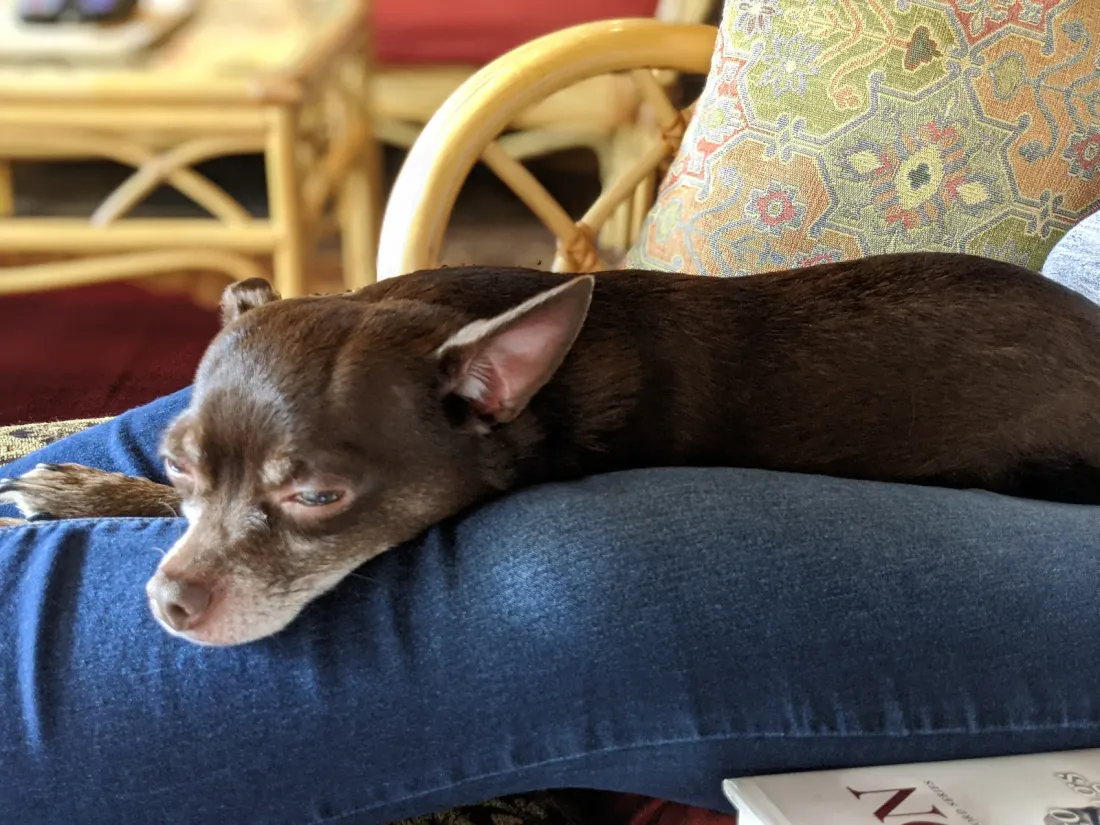
A Chihuahua is a small, compact, graceful dog with a rounded skull, large upright ears and a lively expression. Its body is slightly longer than tall in most dogs, and its tail is carried up over the back or out to the side in a sickle or loop.
- Size. The breed is a toy dog on every scale. Most adults stand about 15 to 23 cm at the shoulder. The Chihuahua size range is mostly set by weight.
- Weight. The AKC standard says a Chihuahua must not exceed 2.7 kg (6 lb), and heavier dogs are disqualified. The FCI standard describes an ideal weight of about 1.5 to 3 kg. Puppies sold as "teacup" or "micro" are not recognised varieties, and dogs bred extra small face more health risks.
- Head. A well-rounded "apple dome" skull is preferred, with or without a molera (see below). The muzzle is short and slightly pointed.
- Eyes and ears. Eyes are large, round and full, dark or ruby. Ears are large, erect, and flare to the side at about 45 degrees when relaxed.
- Smooth coat. Short, soft, close and glossy. Dogs often have a ruff on the neck and scanty hair on the head and ears. Many shed moderately and need only a weekly brush.
- Long coat. Soft, flat or slightly wavy, with fringed ears, a full plume tail, feathering on feet and legs, and a ruff. It needs brushing a few times a week to prevent tangles.
- Colours. The breed standards allow any colour, solid, marked or splashed, including fawn, black, chocolate, cream, blue, white, and in some registries. Merle is not accepted by every club, and double-merle dogs have documented eye and ear problems in many breeds.
Both coat varieties are the same breed and are born in the same litters.
What is the molera?
The molera is a soft spot on top of the skull where the bones have not fully joined, a persistent fontanelle. Human babies also have one, but theirs closes. In many Chihuahuas it stays open into adulthood. The AKC standard allows an apple dome "with or without molera". Veterinary imaging research describes persistent fontanelles in Chihuahuas as very common, and links wider openings with smaller body weight and with larger fluid spaces in the brain. A molera is usually not a problem on its own, but the area is protected only by skin, so avoid knocks to the head, and ask a vet to check your dog's head shape.
What is the Chihuahua's temperament like?
 Related breedFrench Bulldog1850 to 1898 · France
Chihuahuas are alert, quick, loyal and confident, often with a "big dog" attitude. Many choose one favourite person and stay close, sometimes to the point of wariness toward strangers and other dogs. Breed clubs describe them as terrier-like in spirit: curious, bold and a little stubborn.
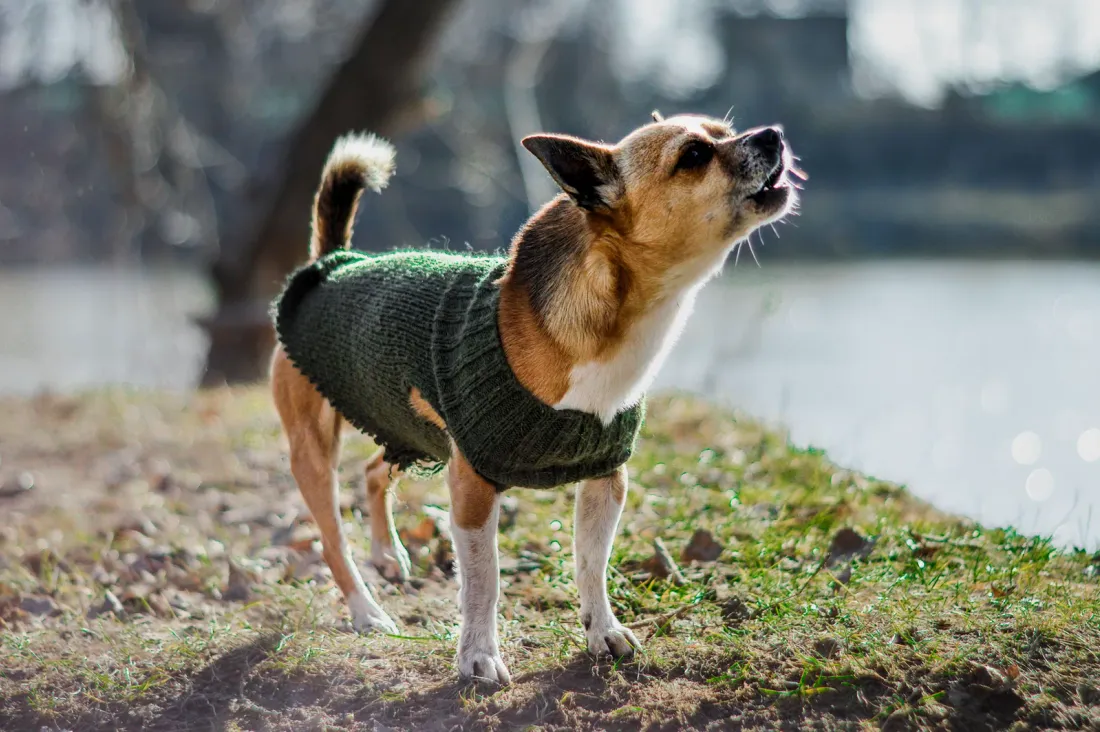
- With strangers. Often reserved or loud. A Chihuahua can be an effective alarm barker.
- With other dogs. Many are bold toward dogs far larger than themselves, which puts them at risk. Careful early socialisation helps.
- With children. Small children can injure a dog this size without meaning to. Most breed clubs advise homes with older, calm children and supervision.
- Training. They are intelligent, but they respond better to short, upbeat, reward-based sessions than to harsh methods. House training can take longer than for larger breeds, and some dogs prefer indoor pads in cold or wet weather.
Temperament depends heavily on early handling and on the individual dog. The Finnish owner survey of 13,700 dogs (Salonen et al., Scientific Reports, 2020) reported breed differences in fear and anxiety-type traits, and small dogs are often described as more fearful of strangers than large ones. That is a pattern across breeds, not a fixed trait of every Chihuahua.
Why does a Chihuahua shiver, burrow and bark?
 Related breedGerman Shepherd1899 · Germany
- Shivering. A small body loses heat quickly. Many Chihuahuas shiver in cold rooms, and some wear a coat in winter. Shivering can also show excitement, fear or low blood sugar.
- Burrowing. Many dogs this size dive under blankets and cushions to stay warm and feel safe.
- Barking. A mix of alertness and, in some dogs, insecurity. Consistent training and enough daily activity reduce it.
- Exercise. Most adults need about 30 to 60 minutes of walks and play daily, in short sessions. They enjoy it, but they do not need the hours that a herding dog needs.
What health problems affect Chihuahuas?
 Related breedGiant Schnauzer1850 to 1923 · Germany
Chihuahua health problems are well studied in the UK. The programme at the Royal Veterinary College analysed Chihuahua records from primary-care vets in England (O'Neill et al., 2020, reported in a veterinary journal and in a college news release). Key points: a median lifespan of about 8.2 years in the records, with a large difference between the sexes in that sample, and the most common disorders being dental disease (13.5 percent of dogs), obesity (5.9 percent) and retained baby teeth (5.7 percent). Another VetCompass study reported a 7.9 year life expectancy for the Chihuahua at birth. These are lower than the 12 to 20 years often quoted for the breed, which comes from older breed-club figures. The records measure dogs seen by vets, so the real picture for a healthy, well-kept dog may be better, and the gap is part of why the figures differ.
This is general information, not advice about your dog. Ask a vet.
| Condition | What it is | Evidence |
|---|---|---|
| Patellar luxation | The kneecap slips out of its groove. Signs: skipping on a hind leg, sudden lameness. Grades 1 to 4 | O'Neill et al. 2016, VetCompass England, 210,824 dogs: overall prevalence 1.3 percent, Chihuahua odds 5.9 times higher than crossbreeds |
| Dental disease | Plaque, gum disease, tooth loss, and crowded teeth in a small jaw | VetCompass Chihuahua study 2020: most common disorder at 13.5 percent of dogs |
| Retained baby teeth | Milk teeth do not fall out, trapping food and crowding adult teeth | Same study: 5.7 percent |
| Obesity | Extra weight strains small joints and the windpipe | Same study: 5.9 percent |
| Persistent fontanelle (molera) | Open soft spot in the skull | Very common in the breed on imaging; often harmless alone |
| Hydrocephalus and syringomyelia | Fluid build-up in or around the brain and spinal cord, linked to domed or very small skulls | Reported in toy breeds in veterinary literature; breed-specific rates not given here |
| Tracheal collapse | The windpipe flattens, causing a honking cough | Common in toy breeds; typically managed by a vet |
| Heart valve disease | Mitral valve degeneration with age | Common in small breeds in veterinary literature |
| Low blood sugar (hypoglycaemia) | Very small puppies can drop in blood sugar quickly | Common warning for toy puppies |
Some of these are described in general terms without a breed-specific figure from this draft's sources.
Dental care. Because dental disease is the most common problem in records, daily tooth brushing, regular vet dental checks and, when advised, professional cleaning are the most useful steps an owner can take. Retained baby teeth usually need removal by a vet.
Patellar luxation. Mild cases are managed with weight control and monitoring, and more severe cases may need surgery. In the 2016 VetCompass study, 13.2 percent of diagnosed dogs of all breeds had surgery.
Breeding. Buyers should look for breeders who screen parents for patellar luxation and heart problems, who sell dogs within the standard weight, and who show the mother and the dog's living conditions.
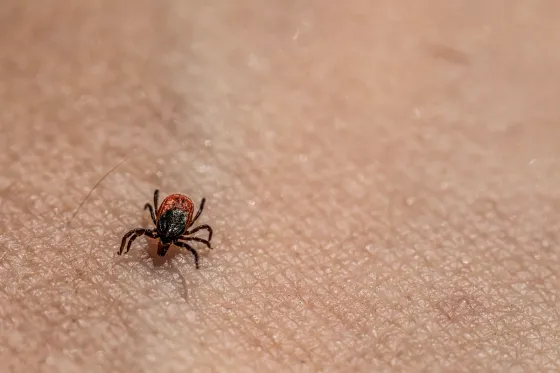 Ticks and fleasTicks and fleas on dogs: how to check, remove and prevent themTicks and fleas on dogs: how to tell them apart, check your dog, remove a tick safely, break the flea life cycle and prevent both.
 GuidesPractical guidesBehaviour, training, health and adoptionRelated breedGiant Schnauzer1850 to 1923 · Germany
How smart is a Chihuahua?
 Related breedGolden Retriever1868 to 1911 · United Kingdom
There is no big controlled study of Chihuahua intelligence. In Stanley Coren's 1994 survey of obedience judges, in The Intelligence of Dogs, many toy breeds ranked in the lower half for obedience, which measures how fast a dog learns commands, not general ability. Chihuahua owners often describe quick learners with a good memory for routines and people, and reward-based training works well. Ranking and daily behaviour are different things.
Is a Chihuahua right for you?
 Related breedMiniature Schnauzer1888 to 1899 · Germany
It suits you if you want a small, portable, devoted dog, live in a flat or small home, can be home for much of the day, and will commit to dental care, a warm environment and gentle handling. A Chihuahua can live 12 years or longer with good care, so it is a long commitment.
It does not suit you if you have toddlers who will carry or drop the dog, want a dog for hard hiking or rough play, dislike barking, or cannot afford regular vet care. Very cold climates need coats and indoor toileting options. A dog this size is not a safe match with large, boisterous dogs unless supervised.
Chihuahua fun facts
 Related breedYorkshire Terrier1850 to 1874 · United Kingdom
- The Chihuahua is the smallest recognised dog breed in the world.
- A Chihuahua named Milly, from Puerto Rico, is listed by Guinness World Records as the shortest living dog at 9.65 cm. Records of this kind change, so check the current Guinness entry.
- The AKC registers a Chihuahua as a Toy breed, and the first registered dog is said to have been "Midget" in 1904.
- A newborn Chihuahua often has an open molera, which may or may not close.
- Ancient DNA says about 4 percent of the breed's genome comes from pre-contact American dogs, a share that no breed legend could have predicted.
Frequently asked questions
How long do Chihuahuas live?
Breed clubs quote 12 to 20 years. UK veterinary records give a median of about 8 years, because they include dogs with illness. A healthy, lean dog with good dental care often lives into the teens.
How big does a Chihuahua get?
Most adults stand 15 to 23 cm and weigh 1.5 to 3 kg. The AKC disqualifies dogs over 2.7 kg.
What is a Chihuahua's temperament?
Alert, loyal, bold, and attached to one person. Many are wary of strangers.
Are Chihuahuas good with children?
With older, gentle children and supervision. Very young children can hurt a dog this small.
What is the difference between smooth and long coat Chihuahuas?
Only the coat. Both are the same breed, can be born in the same litter, and have the same temperament and health risks. The long coat needs more brushing.
What is the molera?
A soft spot on the skull that can stay open in adulthood. It is common in the breed and allowed by the AKC standard.
Is the Chihuahua descended from the Techichi?
It is a long-held tradition, not a proven fact. Ancient DNA finds only about 4 percent pre-contact ancestry.
What are the most common Chihuahua health problems?
Dental disease, patellar luxation, obesity and retained baby teeth, plus weight-related and heart problems later in life.
Read next
Sources (14)
- American Kennel Club, Chihuahua breed standard, history pages and archive collection (Chihuahua Collection).
- Chihuahua Club of America, breed standard and club history.
- Coren S., The Intelligence of Dogs, 1994.
- Fédération Cynologique Internationale, Chihuahueño (Chihuahua), standard no. 218.
- Fogle B., The New Encyclopedia of the Dog, 2009 (as recorded in this site's knowledge base).
- Ní Leathlobhair M. et al., "The evolutionary history of dogs in the Americas", Science, 2018.
- O'Neill D.G. et al., "Epidemiology of patellar luxation in dogs attending primary-care veterinary practices in England", Canine Genetics and Epidemiology, 2016.
- O'Neill D.G. et al., Chihuahua demography and disorders under UK primary veterinary care, VetCompass, Royal Veterinary College, 2020.
- Parker H.G. et al., "Genomic analyses reveal the influence of geographic origin, migration, and hybridization on modern dog breed development", Cell Reports, 2017.
- Royal Veterinary College, VetCompass news release on small-breed health, 2020.
- Salonen M. et al., "Prevalence, comorbidity, and breed differences in canine anxiety in 13,700 Finnish pet dogs", Scientific Reports, 2020.
- The Kennel Club (UK), Chihuahua breed information pages.
- Wikipedia, "Chihuahua (dog breed)" (used for the 2020 pre-contact ancestry estimate and the Techichi summary, checked against the other sources listed).
- Project knowledge base, breed records and Parker 2017 shared-haplotype table (this site).