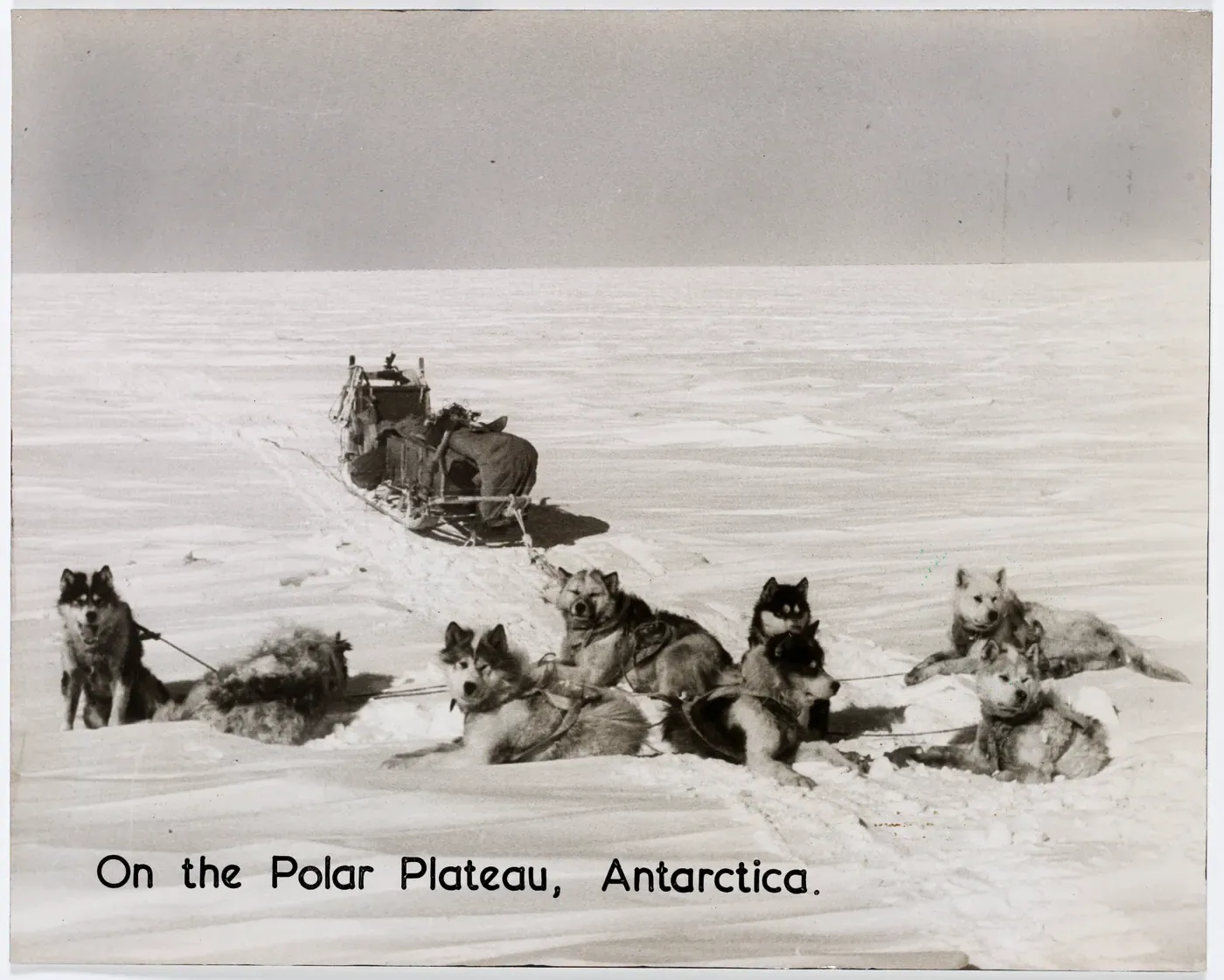
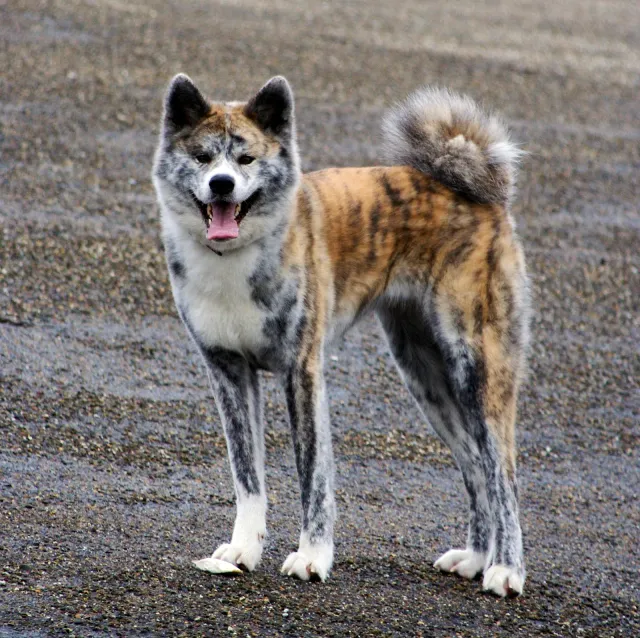
Asian Spitz
Spitz-type dogs from Asia and the Arctic with thick coats, curled tails and prick ears, from sled dogs to Japanese breeds. Two parents in the tree, East Eurasian dogs and Arctic dogs.

The dog family tree is a map of how dog breeds descend from one another, built from DNA.
It starts with an Ice Age wolf population that no longer exists, runs through the first dogs, splits into two big lineages (East Eurasian and West Eurasian), and ends in 29 breed families in this atlas. Breeds in the same family share long stretches of DNA from recent common ancestors, even when they look and work very differently. The tree is a work in progress: 23 of the families come straight from one large 2017 study, and 6 were added by this project from other evidence.
East Eurasian dogs: 3 familiesWest Eurasian dogs: 2 familiesEuropean dogs: 22 familiesOutside the big lineages: 2 families
Family storyEuropean MastiffRead the family's story: origins, members, DNA!Copper and white Siberian Husky standing on snow
!Red Shiba Inu standing on grass
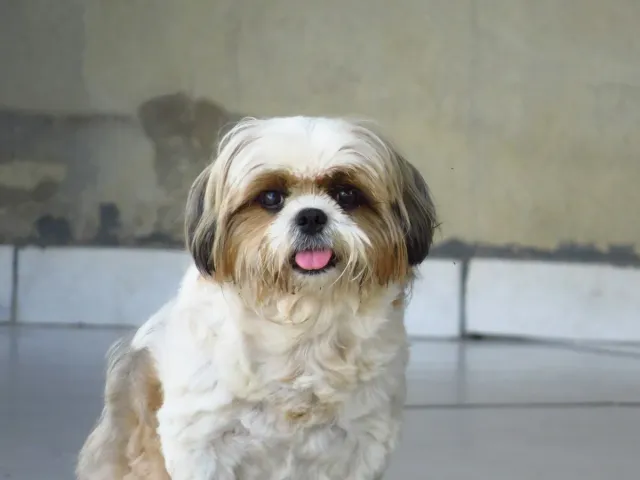
!Shih Tzu sitting indoors
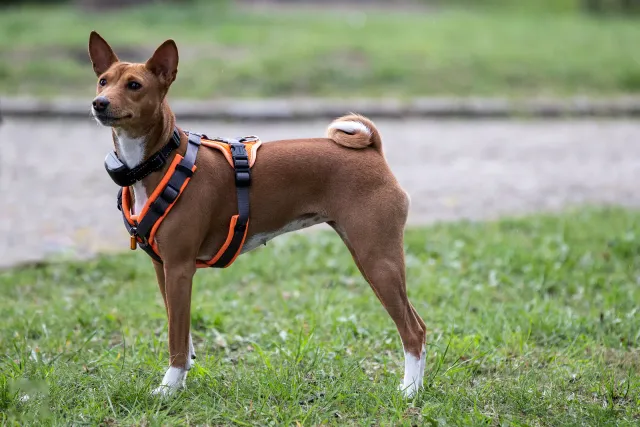
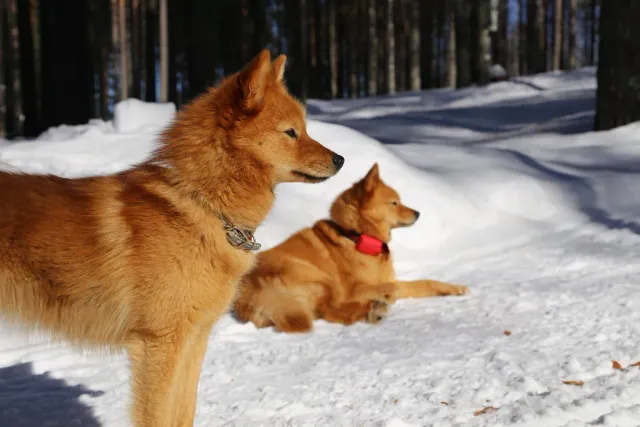
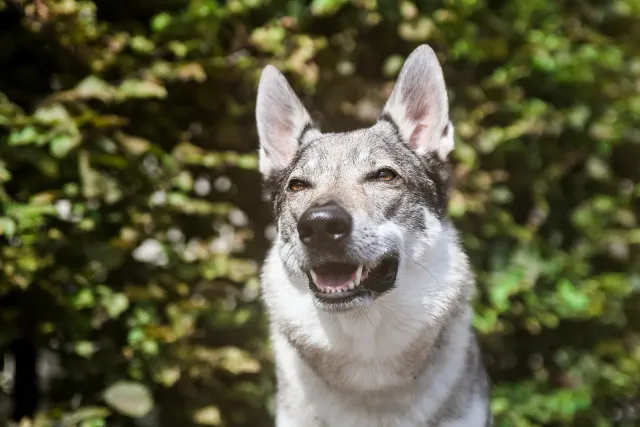
Spitz-type dogs from Asia and the Arctic with thick coats, curled tails and prick ears, from sled dogs to Japanese breeds. Two parents in the tree, East Eurasian dogs and Arctic dogs.
Small companion dogs from East and Central Asia, with flat faces and long silky coats in several breeds. Six of the seven were DNA-tested in the study.
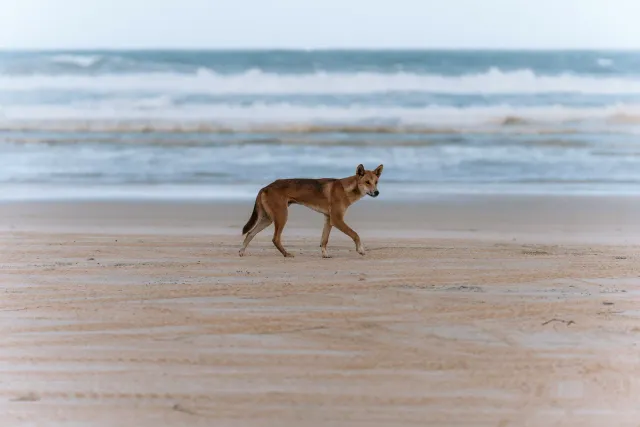
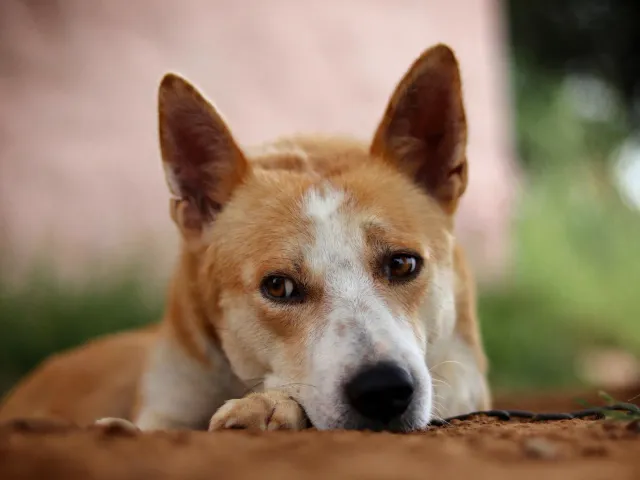
The dingo and its relatives, including island dogs that people carried across the Pacific. Most of the family is extinct. This is an inferred family, placed in the East Eurasian lineage because dingoes reached Australia from island Southeast Asia, carried by people.
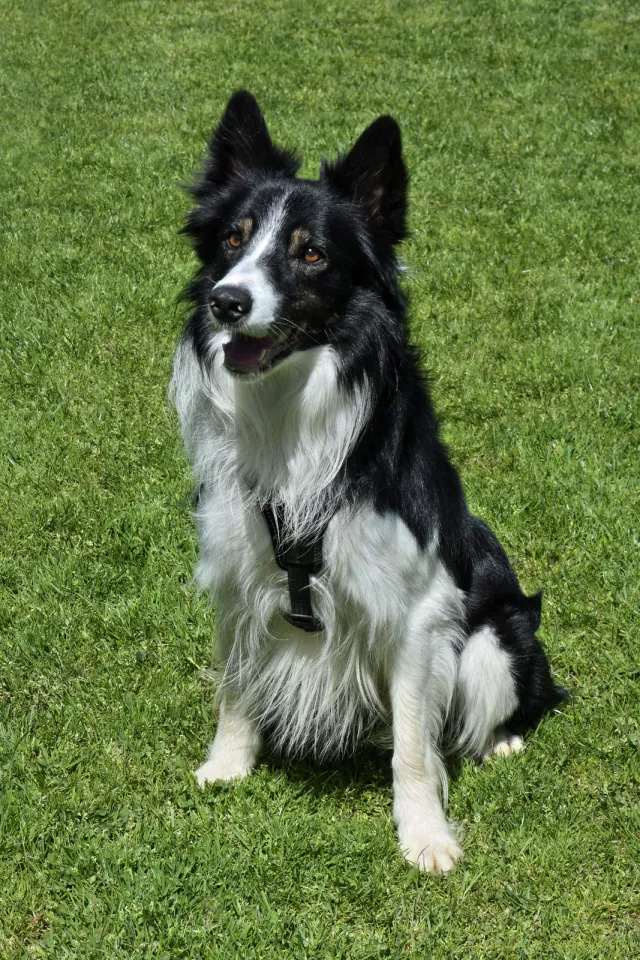
Family storyTerrierRead the family's story: origins, members, DNA!Black and white Border Collie sitting on grass
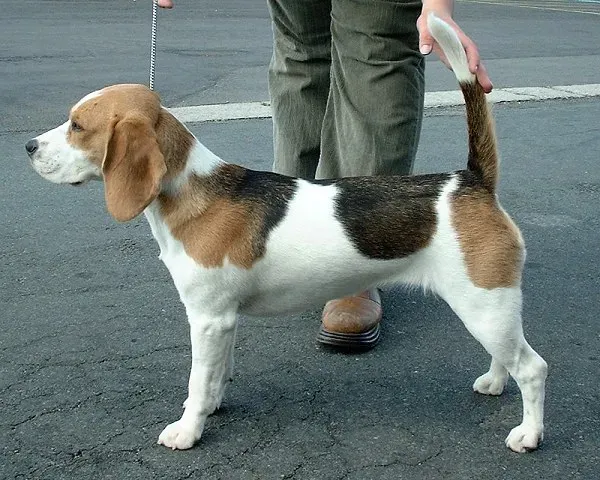
!Tricolour Beagle standing, side view
!Yellow Labrador Retriever standing in dry grass
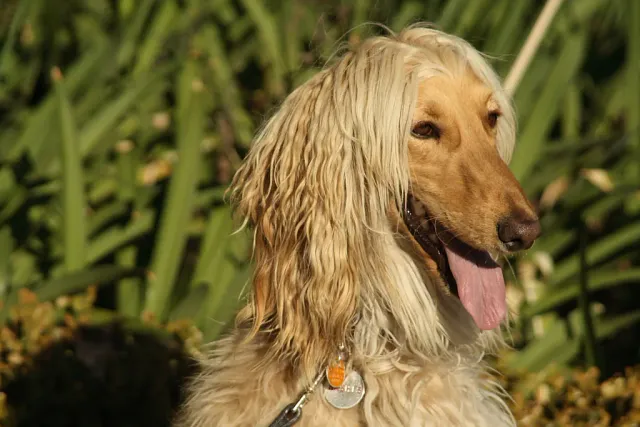
Sighthounds, mountain dogs and livestock guardians from southern Europe, the Middle East and Africa. It holds both slim runners and heavy guard dogs, so kennel clubs split it over several groups.
One breed, kept apart by the project because it does not sit with any other clade. Inferred family, hung on the Levantine and African branch.
Family storyUK RuralRead the family's story: origins, members, DNAThis is the biggest branch. Most breeds that kennel clubs recognise today sit here. Many took their present shape in the Victorian breed boom, when dog shows and stud books began.
Hunting and herding spitz from Northern Europe, such as dogs that track elk or flush birds.
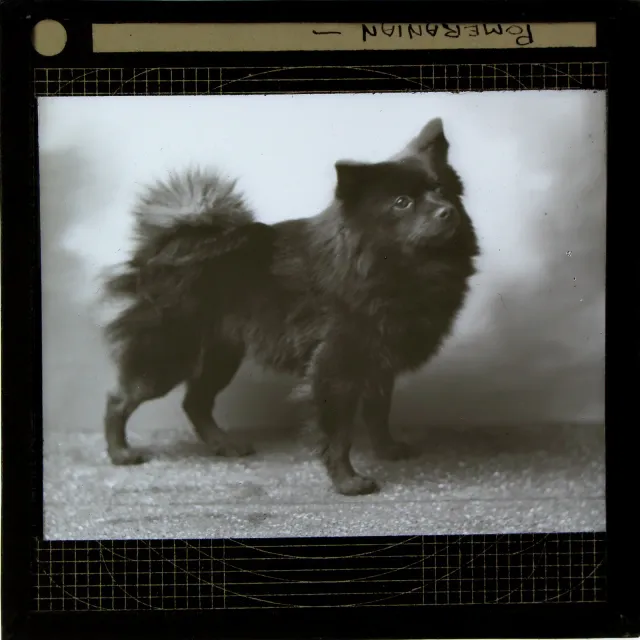
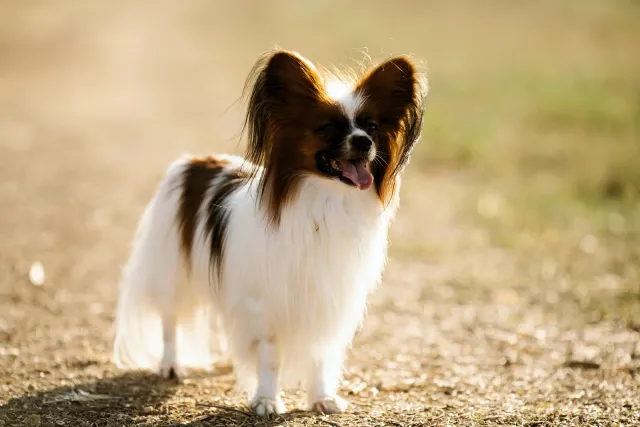
Compact, fluffy spitz of Central Europe, kept mostly as companions and watchdogs.
Small dogs of Western Europe, including a famous flat-faced companion. The name comes from the 2017 study, and the clade holds more than spitz shapes.
Only two breeds sit here. The Giant Schnauzer does not: it lives in the Drover family.
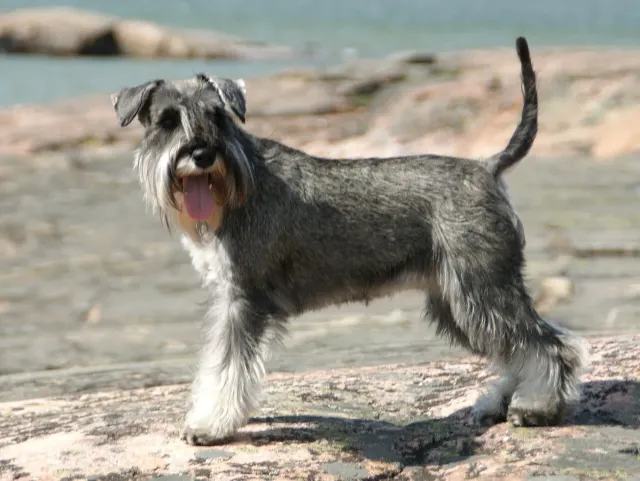
Short-coated German-type dogs used as ratters and guards, with several toy versions.
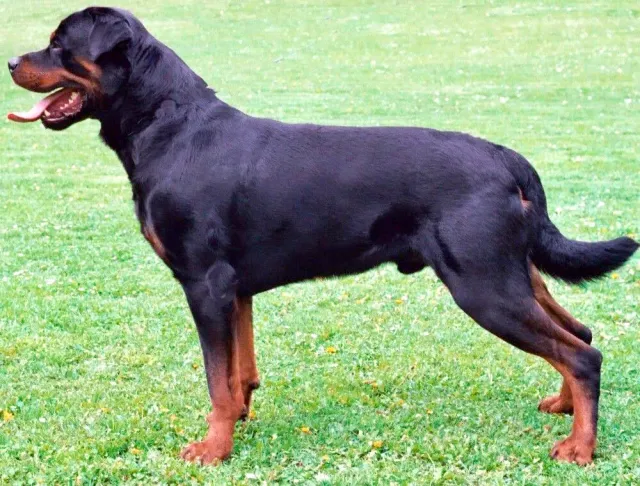
Strong working dogs named after the drovers who moved cattle to market. A small family, but all four breeds were tested.
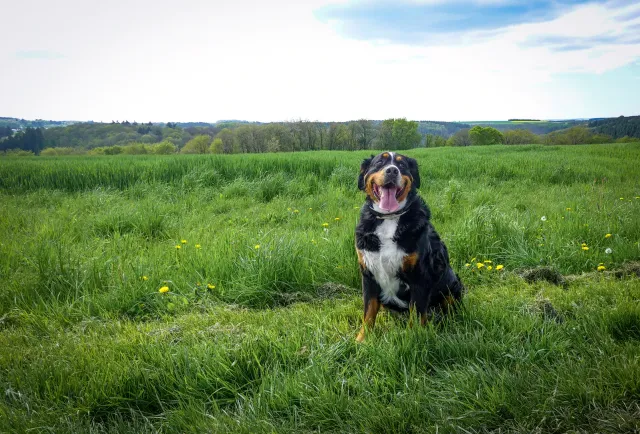
Large Swiss and Alpine farm and rescue dogs. Most have three-colour or heavy coats and a calm manner.
A small clade of Hungarian herding dogs. Two of three were DNA-tested.
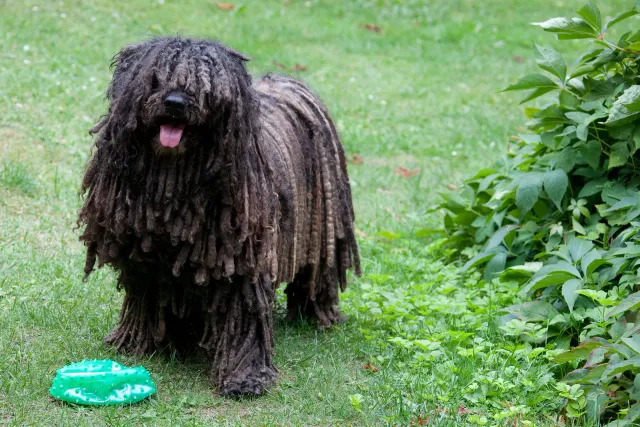
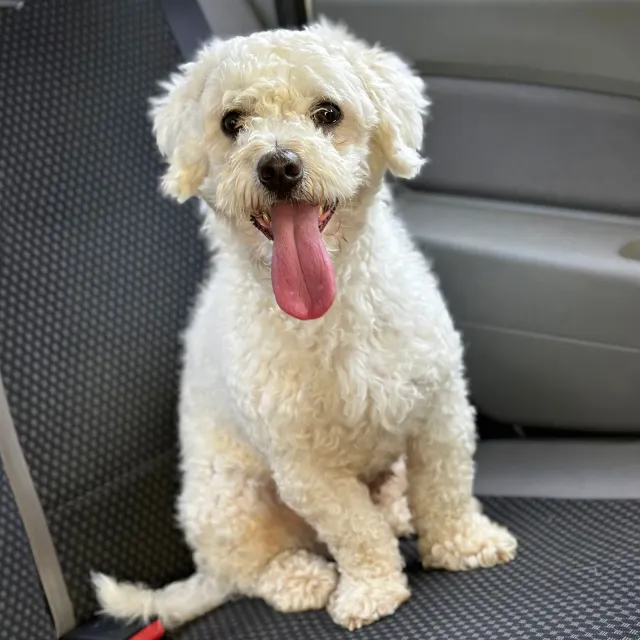
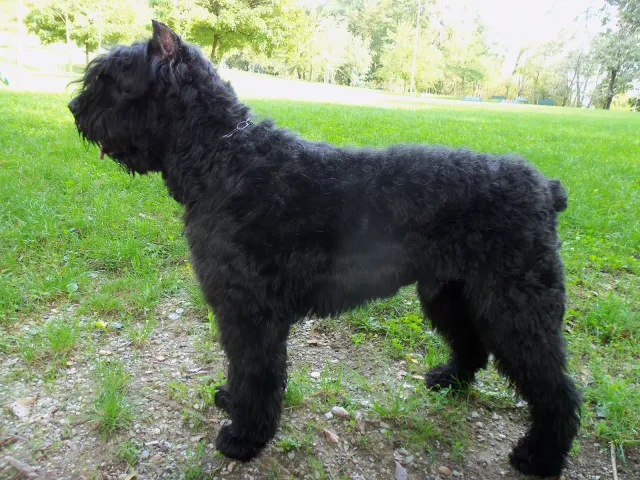
Curly water dogs and the white lap dogs sometimes called bichons, all placed together by DNA. A quarter of the family is extinct.
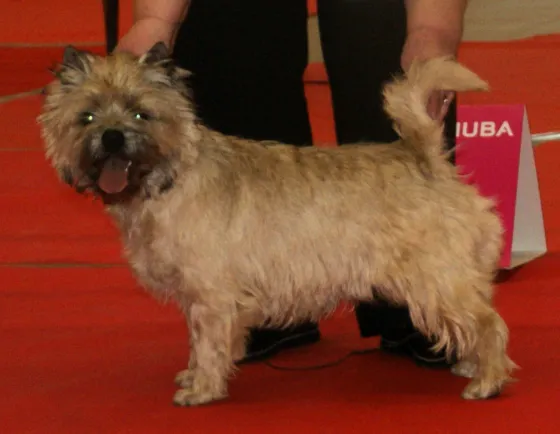
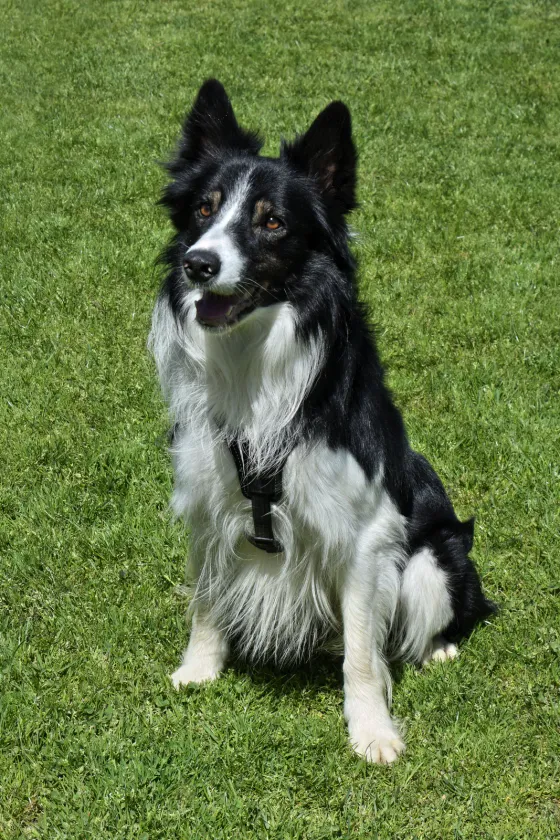
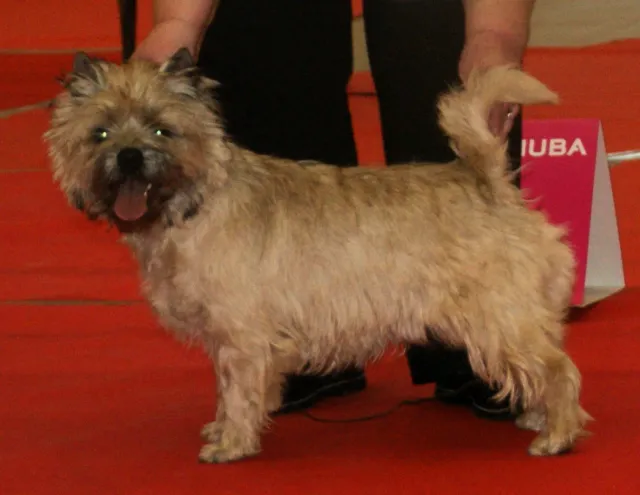
Dogs bred to hunt vermin and go to ground, mostly from Britain and Ireland. The Terrier clade is not the same thing as a kennel club's Terrier group: some "terriers" by name sit in other families.
Terriers developed in the United States. Three of four were tested.
Two tiny breeds in one clade. The 2017 study reported hints of New World dog ancestry in some modern breeds.
A mixed family of breeds from the Americas, plus several European herders. It has two parents in the tree (see the next section). Six of its 15 breeds are extinct.
The largest family: dogs that follow a trail by nose. It includes packs of foxhounds, coonhounds, basset-type dogs and many regional French hounds. One in six is extinct.
Bird-flushing dogs, with water spaniels and companion spaniels in the same branch.
Gun dogs bred to fetch game. Seven of ten were DNA-tested, so this family is well covered.
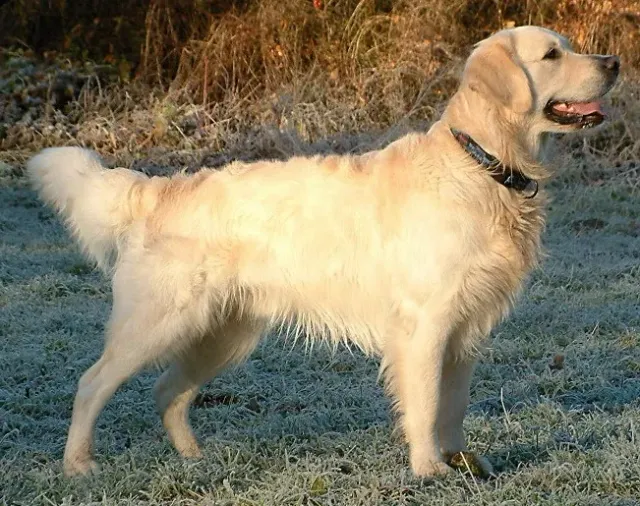
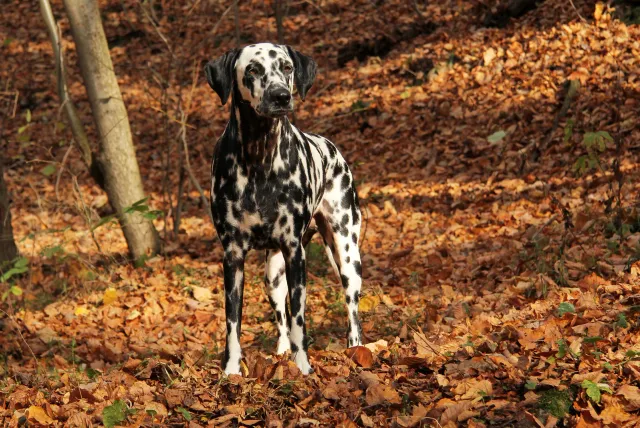
Bird dogs that find game and point or crouch. One surprise member: the Dalmatian.
Herding and driving dogs from continental Europe, especially Belgium, France and the Netherlands.
British herding dogs and the places their dogs were taken, joined with a set of sighthounds. The name is a regional label from the 2017 study, not a job.
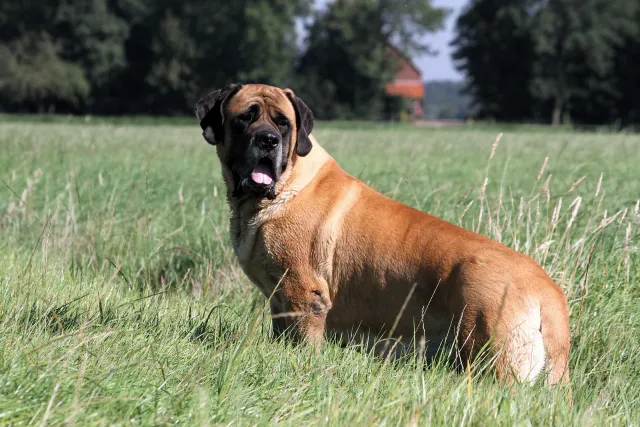
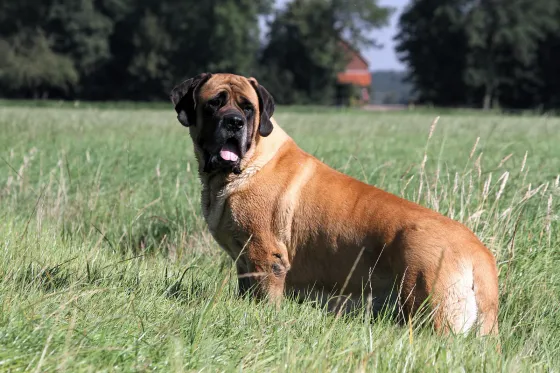
Heavy, broad-headed dogs: mastiffs, bulldogs and bull breeds. Twelve of its 54 breeds are extinct, many of them old fighting and baiting types.
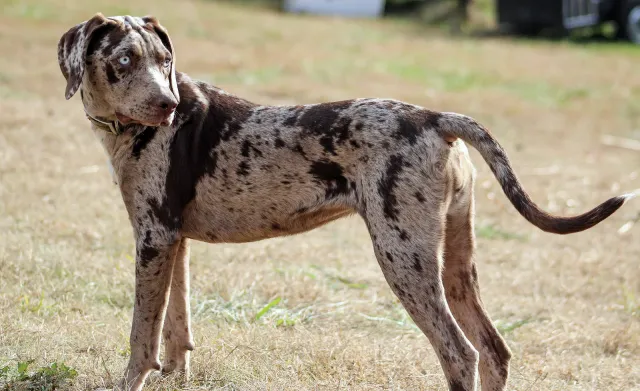
American hunting and farm dogs of the cur and feist type. Inferred family: none of its breeds was in the study.
Planned crosses between established breeds, placed under European dogs because most parents come from there. Inferred family.
Free-breeding local dogs, shaped mostly by the places they live and not by breeders. They hang straight off Domestic dog in the tree because no study in the data has placed them in a lineage. Inferred family.
Dogs crossed with wolves in recent times. They are the one family with a wild parent. Inferred family.
Each family is a branch of one tree, from Ice Age wolves to today's breeds. The dog family tree explains how scientists build it, why some families have two parents and how families differ from kennel club groups.