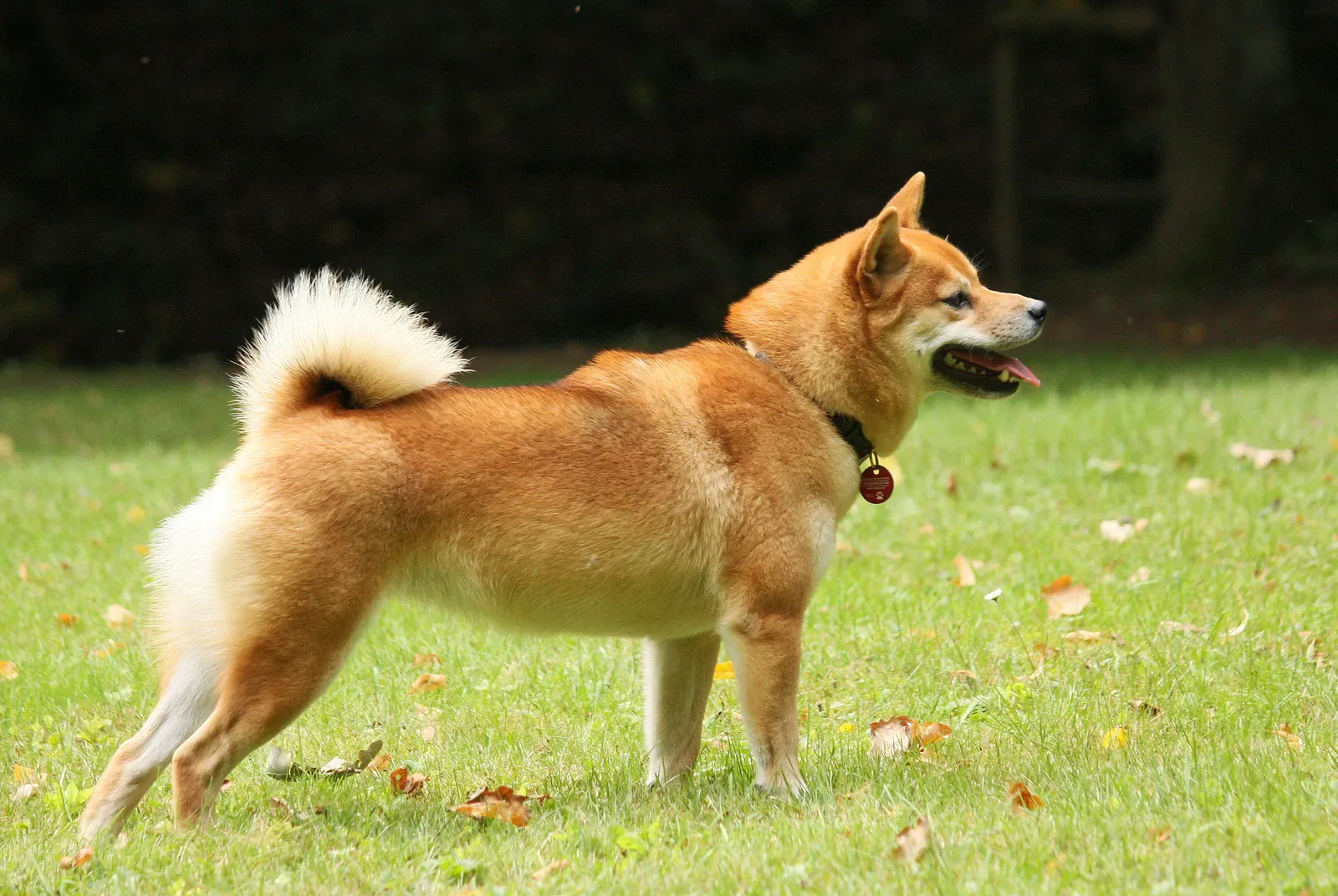
It is the smallest of the six native Japanese breeds and one of the oldest. Nearly wiped out by war and disease in the 1940s and 1950s, today's Shibas descend from just three regional bloodlines. The breed is known for a bold, independent character, a fussy cleanliness, a very loud protest called the "Shiba scream", and, since 2010, one famous face on the internet. It suits calm, patient owners who accept an aloof dog, and it tends to struggle with owners who want an obedient, off-leash companion.
Shiba Inu quick facts
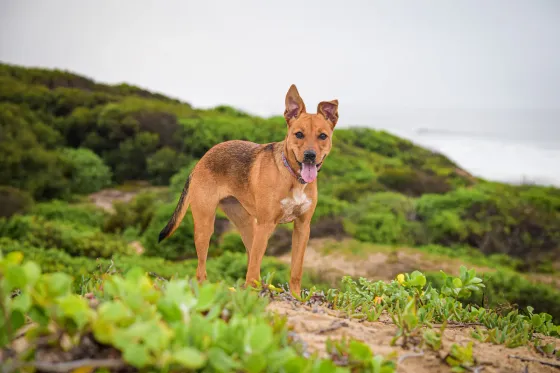 Related breedAfricanis300 CE to 1000 · South Africa
- Country of origin
- Japan (Honshu island, Chubu region mountains; project data)
- Period of development
- Ancient types from about 300 BCE (project data, medium confidence); standard written 1934; Natural Monument 1936
- Type
- Spitz, hunting dog (FCI Group 5, Spitz and primitive types, Section 5 Asian Spitz; FCI standard no. 257; AKC Non-Sporting Group)
- Height
- FCI standard: ideal 39.5 cm for males, 36.5 cm for females, tolerance 1.5 cm either way
- Weight
- About 8 to 11 kg (typical reference range; the standard text checked here gives height only)
- Coat
- Double coat: stiff, straight outer coat over a soft, dense undercoat
- Colours
- Red, black and tan, sesame, black sesame, red sesame, all with white "urajiro" markings (FCI)
- Life span
- Project data: 12 to 15 years
- Exercise
- Daily walks and play; moderate to high needs for its size
- DNA family
- Asian Spitz (Parker et al. 2017)
- Closest DNA relatives in the 2017 study
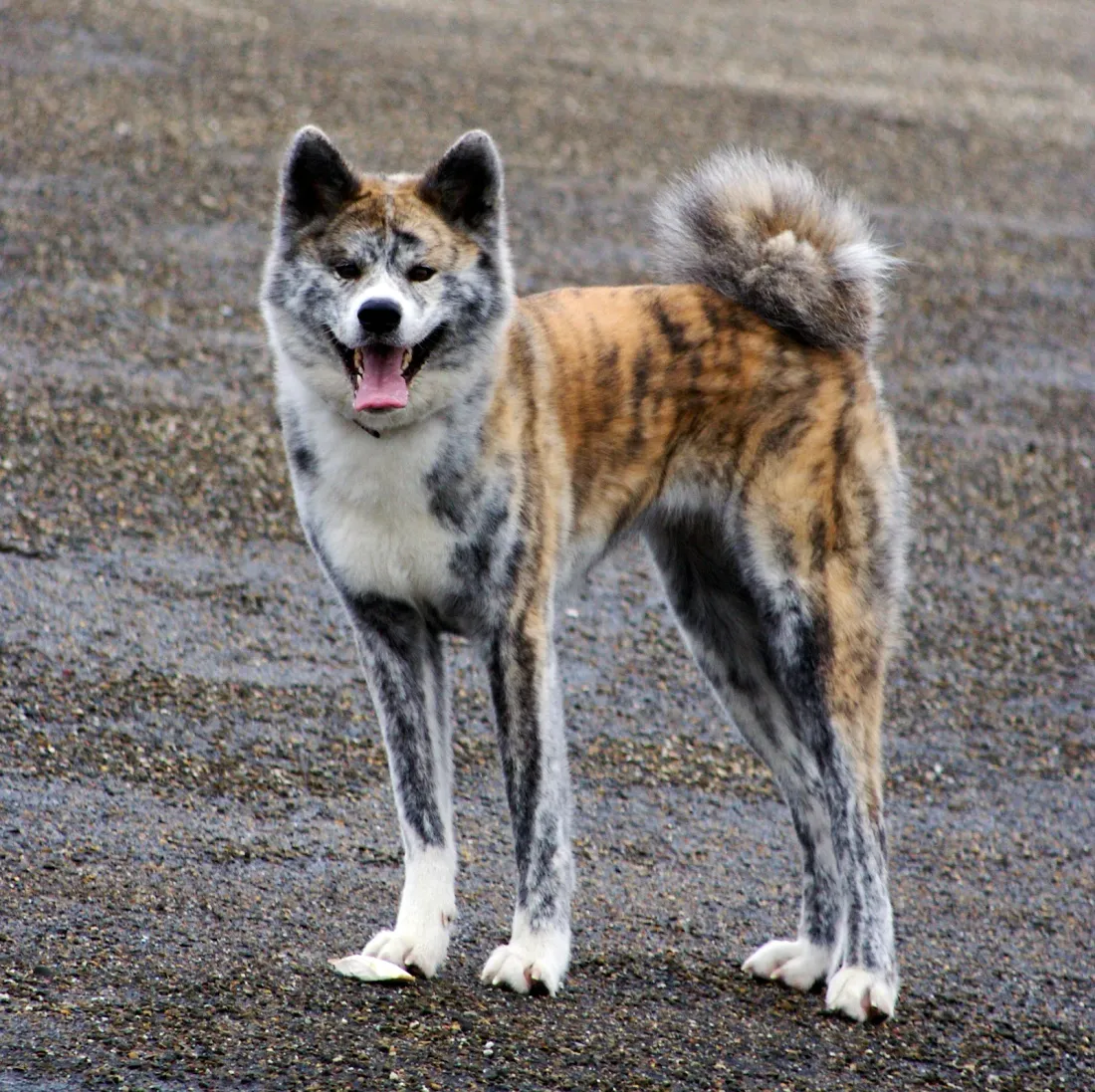
- Japanese Chin, Akita
- Other names
- Shiba, Shiba Ken, Japanese Small Size Dog
Where does the name "Shiba Inu" come from?
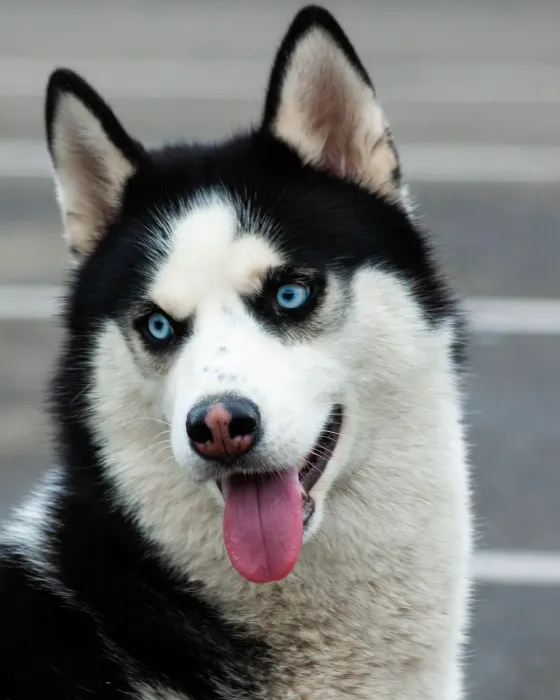
 Related breedBasenji3000 BCE to 1937 · Democratic Republic of the Congo
"Inu" is the Japanese word for dog. "Shiba" is less certain. The usual explanation is that it means "brushwood", the low scrub the dogs hunted in, and some sources add that the red-brown coat resembles the colour of autumn brushwood. Another reading is that "shiba" is an old word for "small", which would make the name "little dog". Our data records both readings, and neither is proven.
In Japanese the breed is simply called Shiba or Shiba Ken. The FCI lists it under the short name Shiba, with Japan as the country of origin.
What is the history of the Shiba Inu?
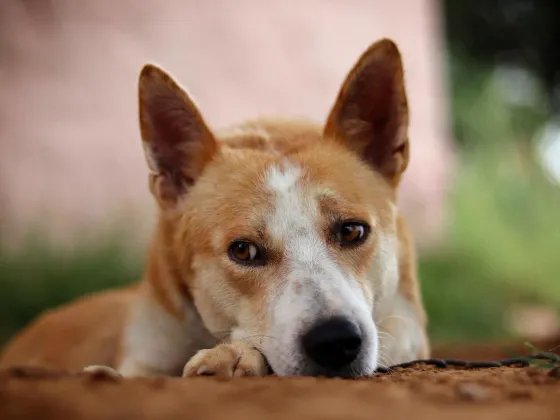
 Same eraDingo3000 BCE to 1500 BCE · Australia
Ancient roots in Japan
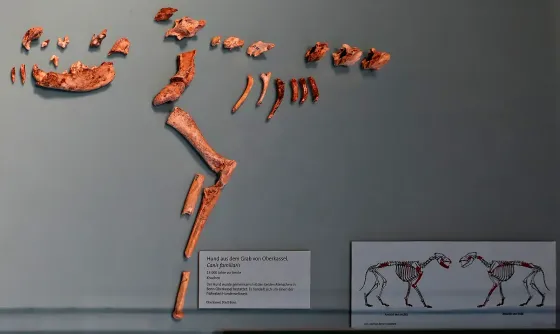
Dogs reached the Japanese islands with people during the Jomon period, roughly 10,000 years ago. The oldest dog remains found in Japan are about 9,300 years old. Jomon dogs changed little in body shape for several thousand years, which suggests they lived in relative isolation from other Eurasian dogs until about 3,000 years ago. Later, in the Yayoi period (from about 300 BCE), new dogs arrived with migrants from the mainland and mixed with the older Jomon type. Japanese histories of the native breeds describe the Shiba as a descendant of these ancient hunting dogs. The Nihon Ken Hozonkai, the Japanese society that protects the native breeds, calls the Shiba the oldest of the six Nihon Ken types.
Be careful with exact dates. Nobody can show a straight line from a 9,000-year-old skeleton to a modern show Shiba, and the knowledge base lists the breed's appearance as "300 BCE to 1936" with medium confidence. What is solid is that small spitz-type hunting dogs have lived in Japan's mountains for a very long time, and that the modern Shiba is a close descendant of those local dogs rather than a recent foreign import.
A hunter in the brush
The Shiba was kept by hunters in the mountainous regions of central Japan. Its job was to flush small game and birds from dense undergrowth, and sometimes to help with larger game. That history explains the modern dog: alert, quick, curious, and strongly driven to chase anything that runs or flies.
Three regional lines
Before the breed was standardised, local Shiba types were found in several districts. Three became the foundation of the modern breed:
- Shinshu Shiba from Nagano Prefecture (old Shinano Province). Small, usually red, with a dense coat.
- Mino Shiba from the south of Gifu Prefecture (old Mino Province). Known for thick, upright ears and a sickle-shaped tail.
- San'in Shiba from Tottori and Shimane Prefectures on the Sea of Japan coast. Larger and often darker, including black dogs.
These descriptions come from the Nihon Ken Hozonkai and general Shiba histories. Sources agree on the three regions but give slightly different details on the look of each line, so treat the one-line descriptions as typical, not exact.
Crossbreeding and the push to protect the native dogs
From the late 19th century, Western hunting dogs such as English Pointers and Setters came to Japan, and many village dogs were crossed with them. Pure native dogs became harder to find. Around 1928, hunters and scholars began to take an interest in saving the remaining pure native dogs. The Nihon Ken Hozonkai, usually shortened to Nippo, was founded in 1928 by Dr. Hirokichi Saito, formally named in 1932, and registered the six native breeds. The first written breed standard for the Shiba followed in 1934.
Natural Monument status
In December 1936 the Shiba was declared a Natural Monument of Japan under the national law protecting natural and cultural treasures. This put the breed on the same legal footing as other protected national symbols. Japan's other native breeds, the Akita, Kishu, Shikoku, Kai Ken and Hokkaido, were also designated as monuments in the 1930s. The Nihon Ken Hozonkai pushed for the designation, and the monument system still guides how these dogs are bred and shown in Japan.
Near extinction and the three surviving lines
World War II almost ended the breed. Wartime food shortages made it difficult to keep dogs, and many were killed or starved. After the war, distemper outbreaks spread through the surviving population in the 1950s and 1960s. Reports describe the Shiba as nearly extinct. Breeders then rebuilt the breed from the few remaining dogs, and the post-war population came from three of the old bloodlines: Shinshu, Mino and San'in. Breeders mixed the three types, and the modern Shiba is a blend of them.
The exact number of dogs that survived is not given in the sources used here, so we do not quote one.
Arrival in the West and kennel club recognition
| Year | Event |
|---|---|
| About 300 BCE | Start of the Yayoi period; the knowledge base dates the breed's origins from here |
| 1928 | Nihon Ken Hozonkai (Nippo) founded to protect the native dogs |
| 1934 | First written Shiba standard |
| 1936 | Shiba declared a Natural Monument of Japan |
| 1954 | First recorded Shiba arrives in the United States, brought by a military family returning from Japan |
| 1992 | AKC recognises the Shiba Inu; National Shiba Club of America established |
| 1993 | AKC places the breed in the Non-Sporting Group |
The FCI lists the Shiba as standard no. 257 (definitive), Group 5, Section 5. The UK Kennel Club also recognises the breed. Our project data does not give the UK recognition date, so none is stated here.
Is the Shiba Inu an ancient breed? What does DNA say?
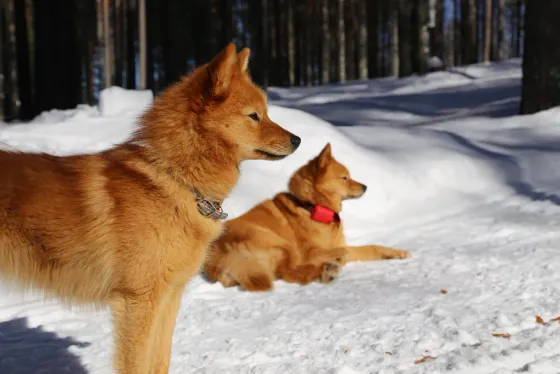 Related breedFinnish Spitz1000 BCE to 1892 · Finland
Yes, in the sense that matters to geneticists: the Shiba sits close to the base of the dog family tree and has stayed genetically distinct from European breeds. This is the key point, so it helps to be exact about which studies say what.
Parker et al. 2004 (Science). This early study of 85 breeds separated a small set of breeds with "ancient" origins from the rest, which had mostly European and more recent origins. The Shiba Inu is generally listed among those ancient-origin breeds, together with other Asian and African breeds such as the Akita, Chow Chow, Shar-Pei and Basenji. "Ancient" here describes how early the breeds split off in the genetic tree, not that each breed has an unbroken pedigree of thousands of years. Modern breed registries are young. The genes in them are old.
Parker et al. 2017 (Cell Reports). This study analysed 1,346 dogs from 161 breeds and sorted them into 23 supported clades. The Shiba Inu falls in the "Asian Spitz" clade with other East Asian and Arctic spitz breeds, with strong clade support. This is the project's family for the Shiba. In the 2017 study, the Shiba's strongest shared DNA with another breed is with the Japanese Chin, a toy breed that is also Japanese in origin.
Japanese wolf and ancient Japanese dogs. Two more recent lines of work show how old Japan's dogs are. Researchers sequenced the genomes of Jomon dogs and found that they form one of the oldest domestic dog lineages in East Eurasia, closest to dogs from the 8th century and to dingoes among living dogs. In 2024, Gojobori and colleagues in Nature Communications sequenced nine genomes of extinct Japanese wolves from museum specimens and compared them with modern Japanese dogs, including Shibas. They reported that the Japanese wolf is the closest known wild relative of dogs, and that dogs across East Eurasia carry some ancestry from the wolf population that gave rise to it. Reports on the study say that about 5 to 7 percent of the Japanese dog genome, in breeds such as the Shiba Inu, comes from Japanese wolf ancestry. These percentages come from summaries of the paper, and we did not check them against the full text.
In short: the Shiba is a basal East Asian spitz, and the genetic evidence matches the Japanese account of a very old native dog.
Which breeds are ancestors, descendants and relatives of the Shiba Inu?
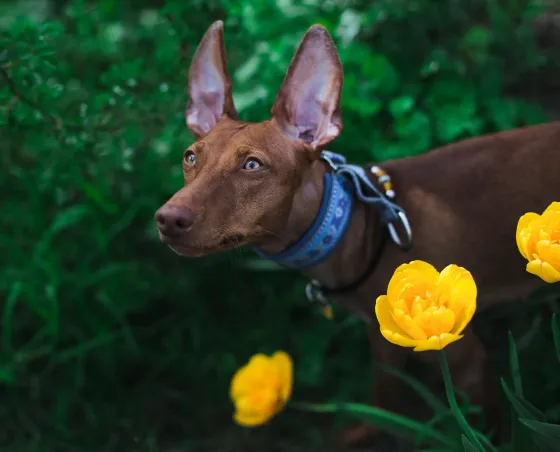 Same familyIbizan Hound500 BCE to 1950 · Spain
The project knowledge base lists no fixed parent or child breeds for the Shiba. It is treated as a foundation breed of the Asian Spitz family on the island of Honshu.
Other Nihon Ken (native Japanese breeds)
The Nihon Ken Hozonkai protects six breeds. The Shiba is the smallest, and the others are medium to large spitz breeds.
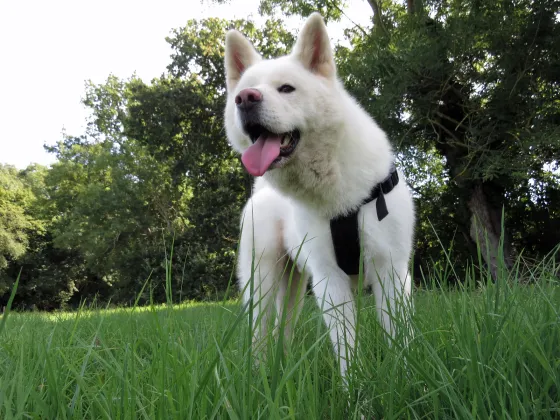
- Akita. The largest of the six, from northern Honshu. Shares 13.1 Mb of DNA with the Shiba in the 2017 study.
- Kishu. A medium-sized hunting dog, usually white, from the mountains of Wakayama and Mie.
- Shikoku. A medium hunting dog from Shikoku island, often with a sesame coat.
- Kai Ken. A medium hunting dog with a brindle coat, from Yamanashi Prefecture.
- Hokkaido. A medium hunting dog from Japan's northern island.
Other Asian Spitz relatives
- Jindo. A Korean spitz in the same Asian Spitz clade.
- American Akita. A heavier dog developed in the United States from Japanese Akitas brought home after the war.
- Ryukyu. A native dog of the Okinawa islands.
What does DNA say?
Source: Parker et al. 2017, as recorded in this site's breed database.
Only two shared-haplotype links are recorded for the Shiba in our data. The Japanese Chin is a small companion breed of the Asian Toy clade, yet it shares more DNA with the Shiba than the Akita does. That does not mean the Shiba descends from the Chin or the reverse. Shared show common ancestors or past crossing, not direction. Both breeds come from the same part of the world, and that is the most likely explanation. See also the Asian Spitz family.
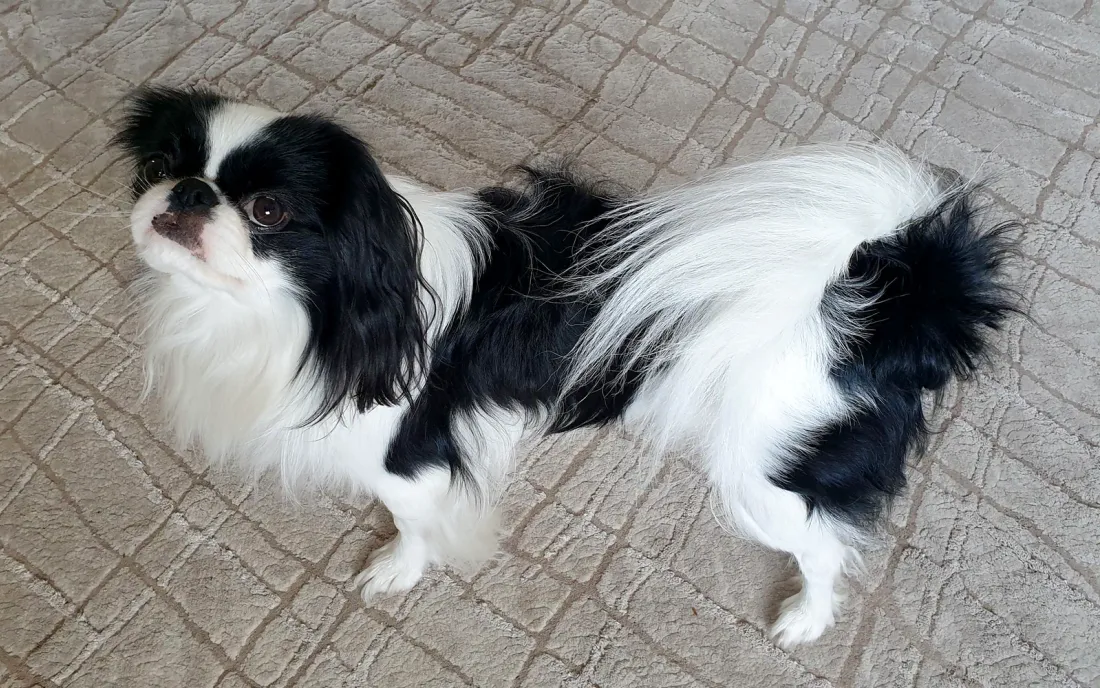
- Japanese Chin17.1 Mb 0.7%
- Akita13.1 Mb 0.5%
Source: Parker et al. 2017. Percent of the whole genome.
| Breedwith Shiba Inu | Shared DNA with Shiba Inu (Mb)Shared DNA (Mb) |
|---|---|
| Japanese Chin | 17.1 |
| Akita | 13.1 |
How big is a Shiba Inu and what does it look like?
 Looks relatedMaltese500 BCE to 1888 · Malta
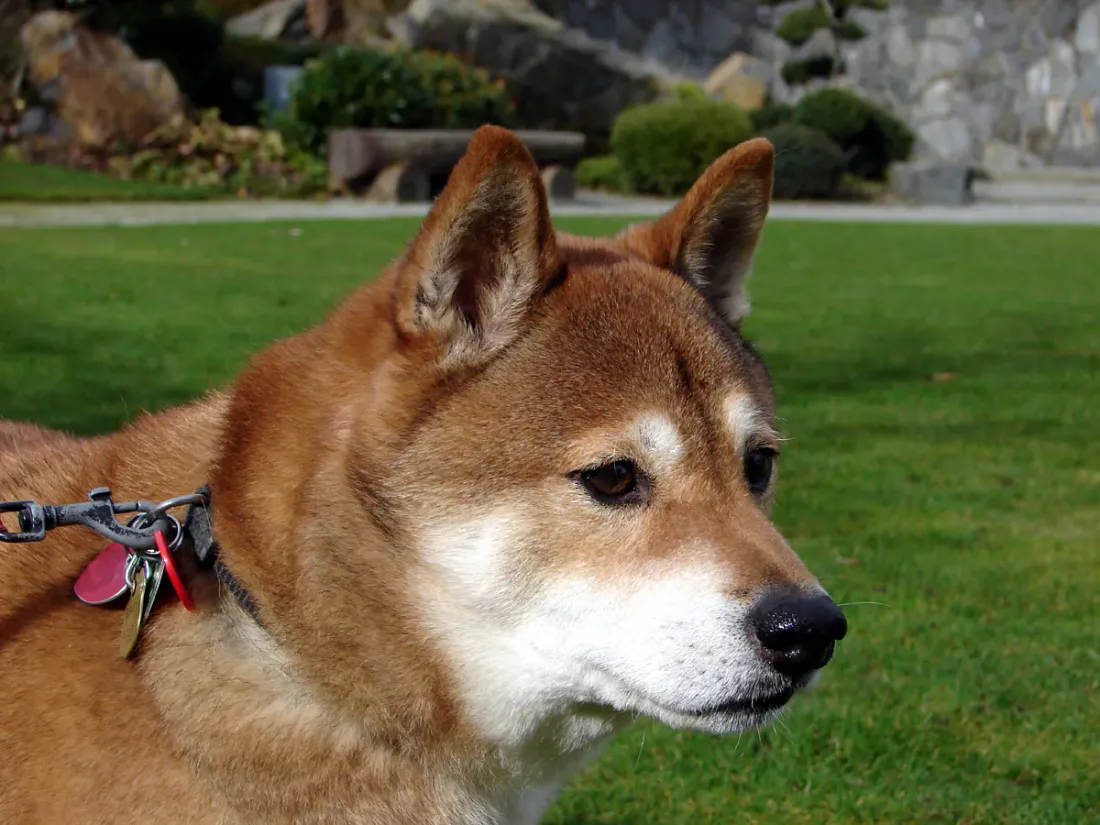
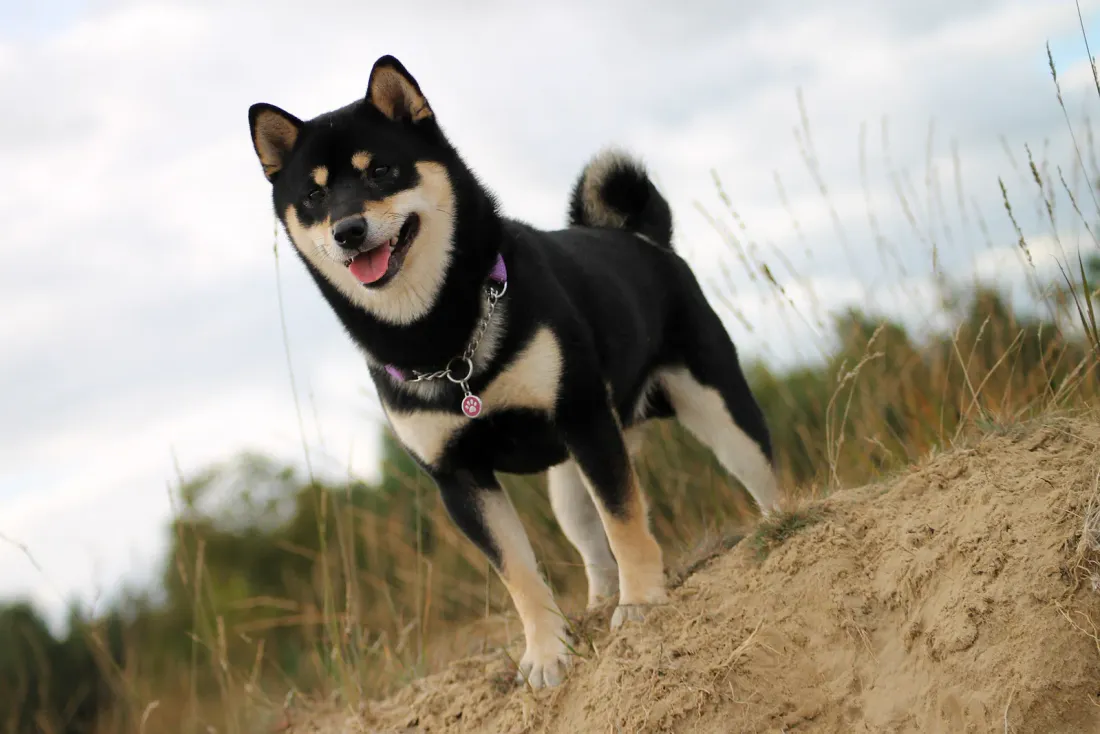
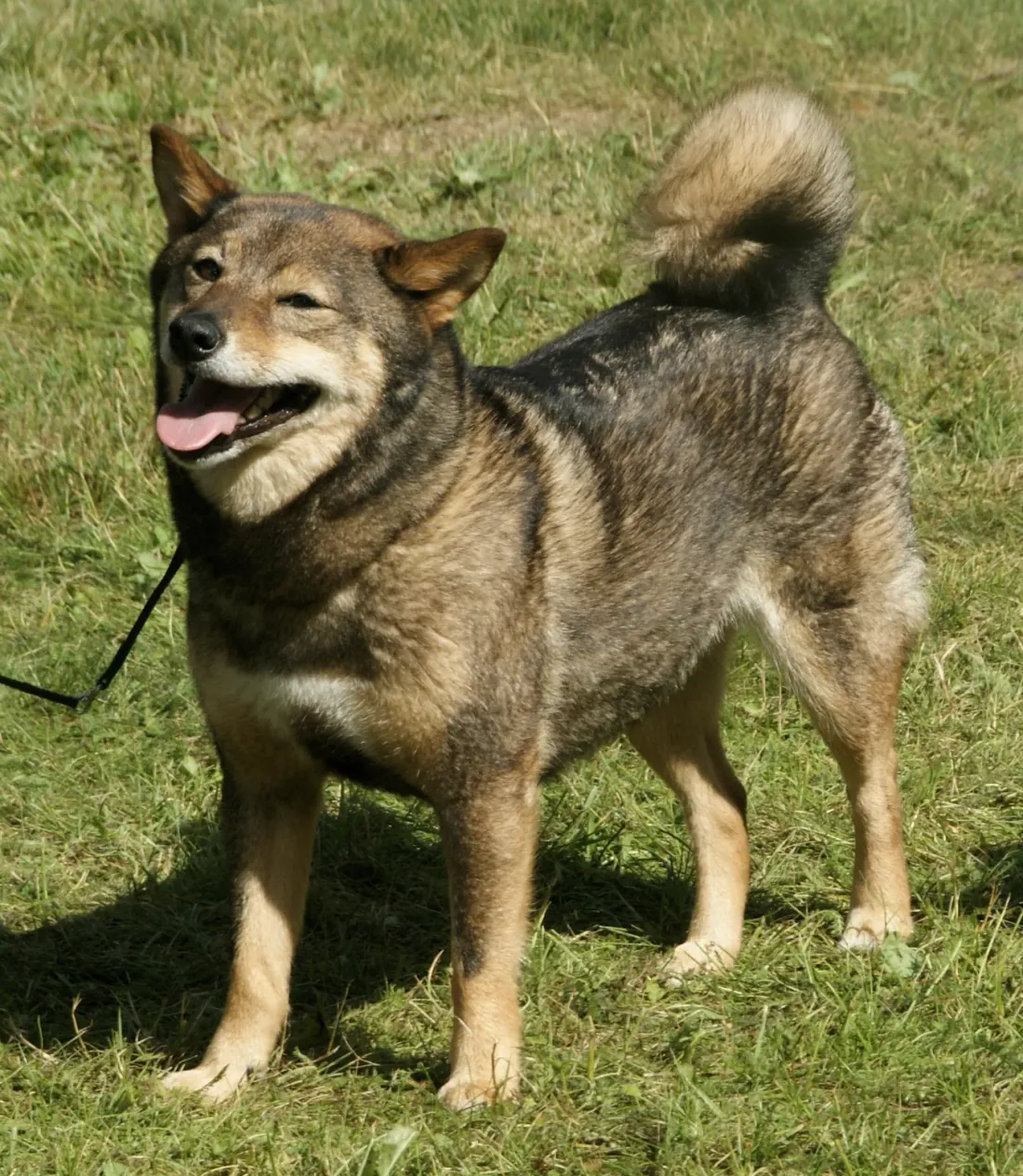
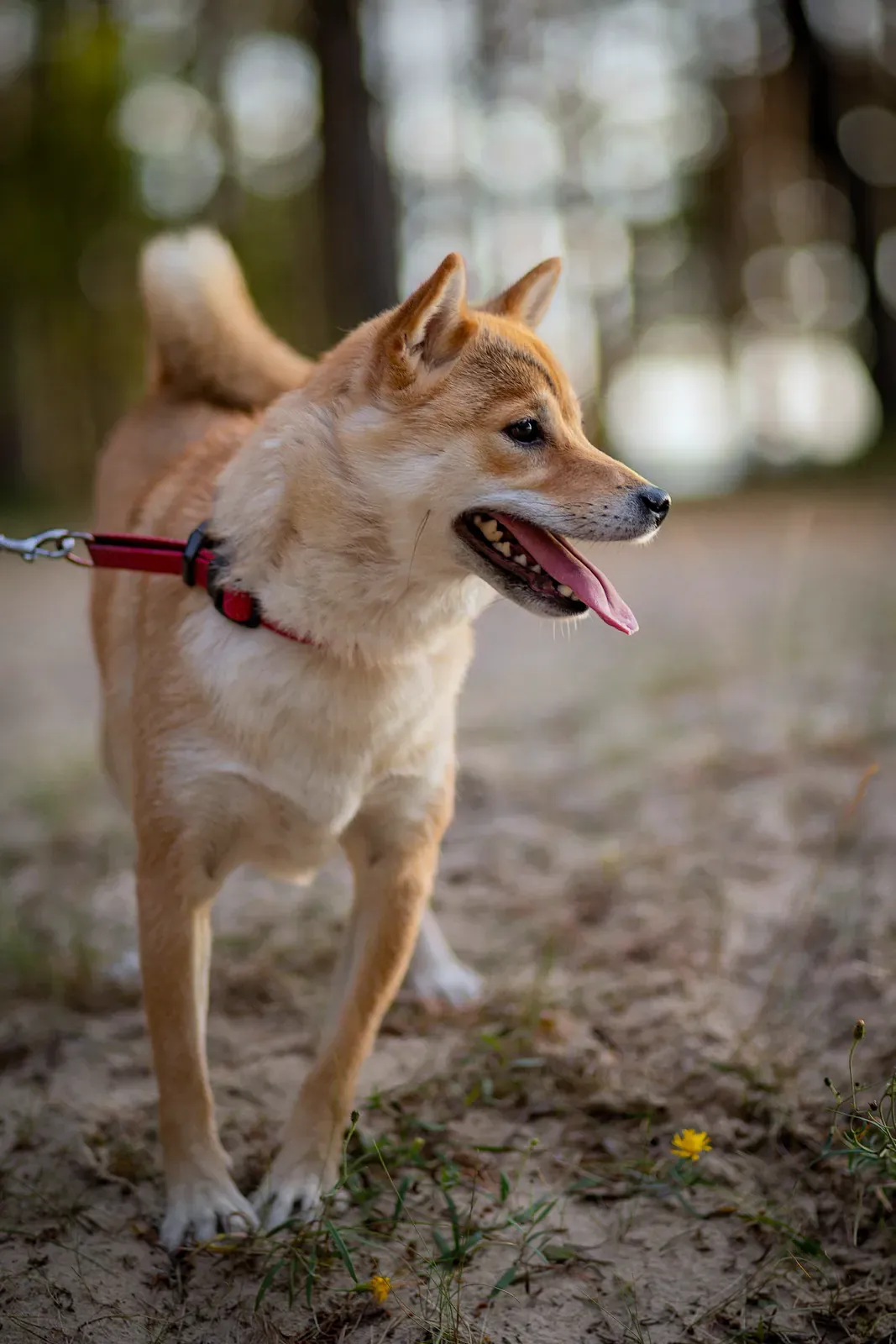
The FCI standard describes a small, well balanced, sturdy dog with strong bone and well developed muscle, spitz in look. It should look alert and a little proud, with a fox-like face.
- Height. Ideal 39.5 cm for males and 36.5 cm for females, with a tolerance of 1.5 cm taller or shorter (FCI standard no. 257).
- Weight. About 8 to 11 kg is the range commonly given in breed references. The FCI text checked for this draft gave height but no weight in the excerpt we saw.
- Head and expression. Broad forehead, slightly pointed muzzle, small triangular eyes set a little slanted, dark brown. Small, triangular ears that stand upright and lean forward.
- Tail. Thick, carried curled over the back or in a sickle curve.
- Coat. A straight, stiff outer coat over a soft undercoat. It is clean and almost odourless. It sheds lightly through the year and "blows" heavily, in big clumps, once or twice a year.
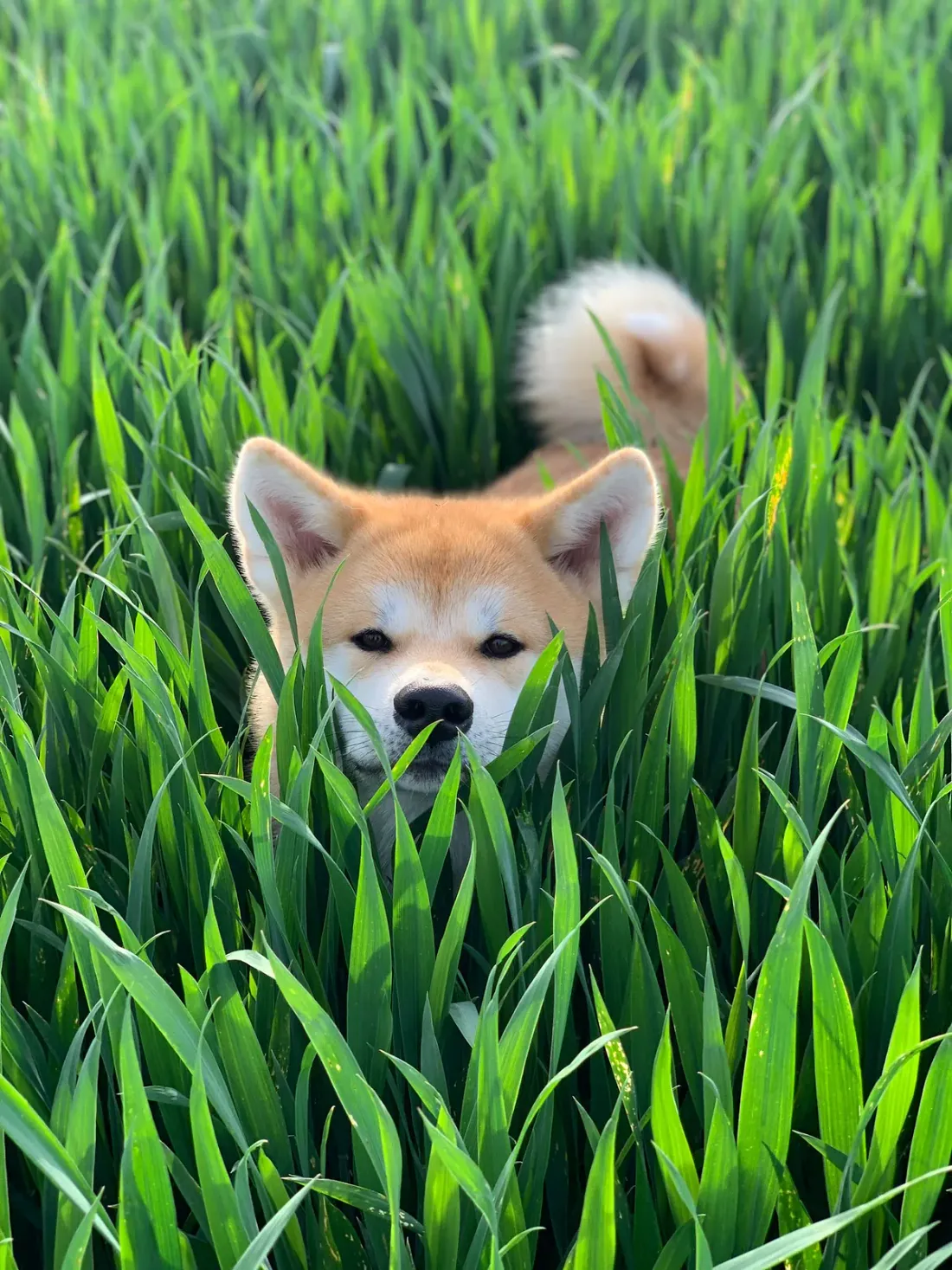
- Colours. Red, black and tan, sesame, black sesame and red sesame. Sesame means a mixture of black, red and white hairs. All colours must show urajiro, the whitish markings on the sides of the muzzle and cheeks, under the jaw and neck, on the chest and belly, under the tail and inside the legs. Red is by far the most common colour in pet homes. Cream and white Shibas exist in some countries but are not accepted by the FCI standard.
What is the Shiba Inu's temperament like?
 Related breedRottweiler100 CE to 1901 · Germany
Shiba owners and breed writers use the same few words: bold, independent, alert, loyal, and a little aloof. The Shiba Inu personality is often described as cat-like. It is clean, curious, and likes to choose when to cuddle. A Shiba tends to bond closely with its own family and stay reserved with strangers.
A 2013 questionnaire study of 400 Shiba owners in the Journal of Veterinary Medical Science found four behaviour factors in the breed: sociability with humans, reactivity to stimuli, chase proneness and fear of sounds. Dogs that scored higher on reactivity to stimuli also tended to score higher on all four types of aggression the researchers measured, which were aggression toward the owner, a child, a stranger and another dog. Dogs that scored higher on sociability with humans had less child- and stranger-directed aggression. The study describes the spread of behaviour within the breed. It does not rank the Shiba against other breeds.
Practical points for owners:
- Independence is normal. A Shiba often ignores a recall command when something interesting is ahead. Most trainers treat it as a breed trait, not a training failure.
- Early socialisation matters. Meeting many people, dogs and places as a puppy lowers the risk of fear and reactivity later.
- Dog to dog. Many Shibas are choosy with other dogs and can be reactive on the lead, especially with unfamiliar dogs of the same sex.
- Resource guarding. Some Shibas guard food, toys or a favourite spot. Work on this early with a qualified trainer.
What is the "Shiba scream" and why do Shibas do it?
 Related breedSaluki3000 BCE to 1922 · Iraq
The Shiba scream is a loud, high-pitched, almost human-sounding shriek that Shibas make when they are upset, frightened or very excited. Owners report it when a dog is picked up, restrained for nail trimming or vet handling, shown the lead, or told "no". It can sound alarming, and neighbours sometimes call to check. Videos of it spread widely online.
Vets and behaviour writers describe it as a form of communication rather than a sign of injury. It is a protest, a theatrical complaint, or a burst of excitement. Some writers link it to the breed's primitive, wolf-like vocal range, but this is speculation, not a tested result. If a dog screams suddenly with no clear trigger, when touched in one spot, or while limping, have a vet check for pain.
What helps:
- Teach handling slowly, with short sessions and rewards, from puppyhood.
- Keep nail trims, brushing and paw handling calm and brief.
- Avoid scolding a scream. It tends to increase stress.
How much exercise and grooming does a Shiba Inu need?
 Related breedXoloitzcuintle1000 BCE to 1956 · Mexico
- Exercise. A fit adult needs daily walks and play sessions that add up to an hour or more, plus time to sniff and explore. A hunting dog's brain needs work as much as its legs.
- Fencing and leads. The prey drive is strong and the breed is quick and an escape artist. Most breed clubs recommend a securely fenced yard and a lead outside. Do not count on a Shiba to return when called.
- Grooming. Brush weekly, and daily while the coat blows. Shibas groom themselves like cats and rarely need bathing.
- Heat. The thick double coat copes with cold. Shaving it does not help in summer and can harm the coat. Provide shade and water.
What health problems affect Shiba Inus?
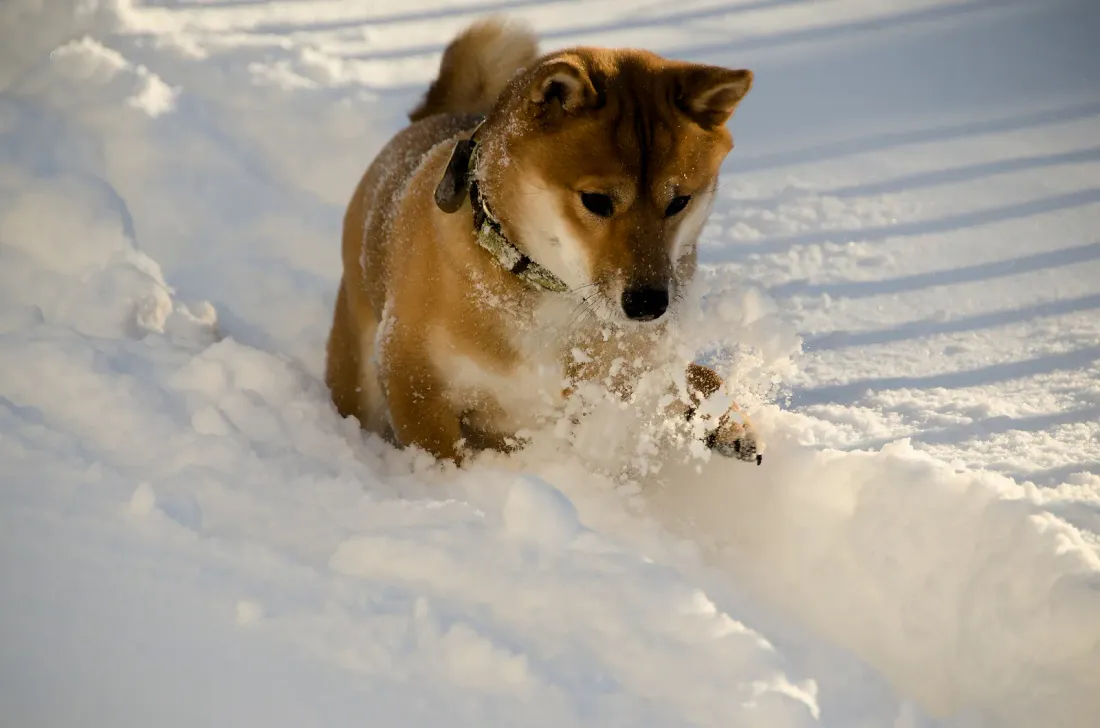
Project data gives a life span of 12 to 15 years. Some Shibas live well beyond that. The most famous Shiba of all, Kabosu, was estimated by her owner to be about 18 when she died in May 2024. We did not find a UK or US longevity study with a Shiba-specific median that we could cite, so the range above is a general figure.
The information below is general. Talk to a vet about your own dog.
| Condition | What it is | Evidence |
|---|---|---|
| GM1 gangliosidosis (Shiba type) | , fatal lysosomal storage disease of the nervous system. Caused by the GLB1 c.1649delC mutation. Signs begin at about 5 to 6 months, and affected dogs die at about 12 to 18 months | Japanese population screening; earlier surveys found carrier rates of about 1 to 3 percent in Shibas in Japan. A DNA test is available |
| Glaucoma | Raised eye pressure that can lead to blindness. Documented as a risk in the breed | Breed health summaries; no rate verified here |
| Hip joint malformation | Listed by breed clubs and kennel clubs as a risk; no rate verified here | |
| Patellar luxation | Kneecap slips out of position, common in small dogs | Listed by breed clubs and vet references; no rate verified here |
| Allergies and skin disease | Itchy skin, often from environmental allergy | Listed by vet references as common in the breed; no rate verified here |
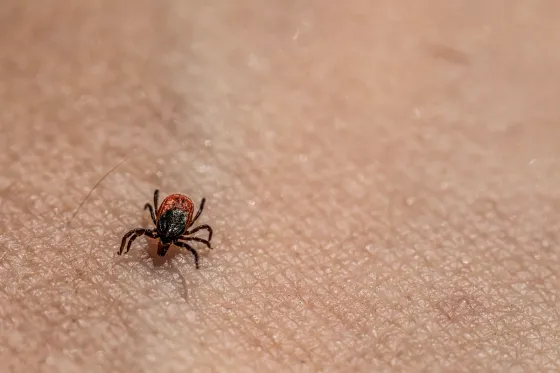
Breeders should test both parents for GM1 gangliosidosis. Ask for eye and hip screening results as well. A dog that looks healthy can still carry the GM1 mutation, so DNA testing of both parents is the only reliable way to avoid affected puppies.
Why is the Shiba Inu famous online? Kabosu and the Doge meme
In 2010, Kabosu, a Shiba Inu living in Japan, was photographed by her owner on a sofa with her paws crossed and her eyes turned sideways to the camera. The owner posted it on her blog. By 2013 the picture had become the "Doge" meme, with its comic-sans captions in broken English ("such wow", "very scare"). The image later became the logo of the cryptocurrency Dogecoin. Kabosu died in May 2024, aged about 18 by her owner's estimate.
The meme brought more people to the breed, in Japan and abroad. That popularity has a downside. Breeders and shelters report that some buyers choose a Shiba for its internet look without understanding its independent temperament. If you like the Shiba because of a meme, spend time with adult Shibas before you buy a puppy.
In Japan the Shiba is regularly named among the country's most popular companion breeds.
Is a Shiba Inu right for you?
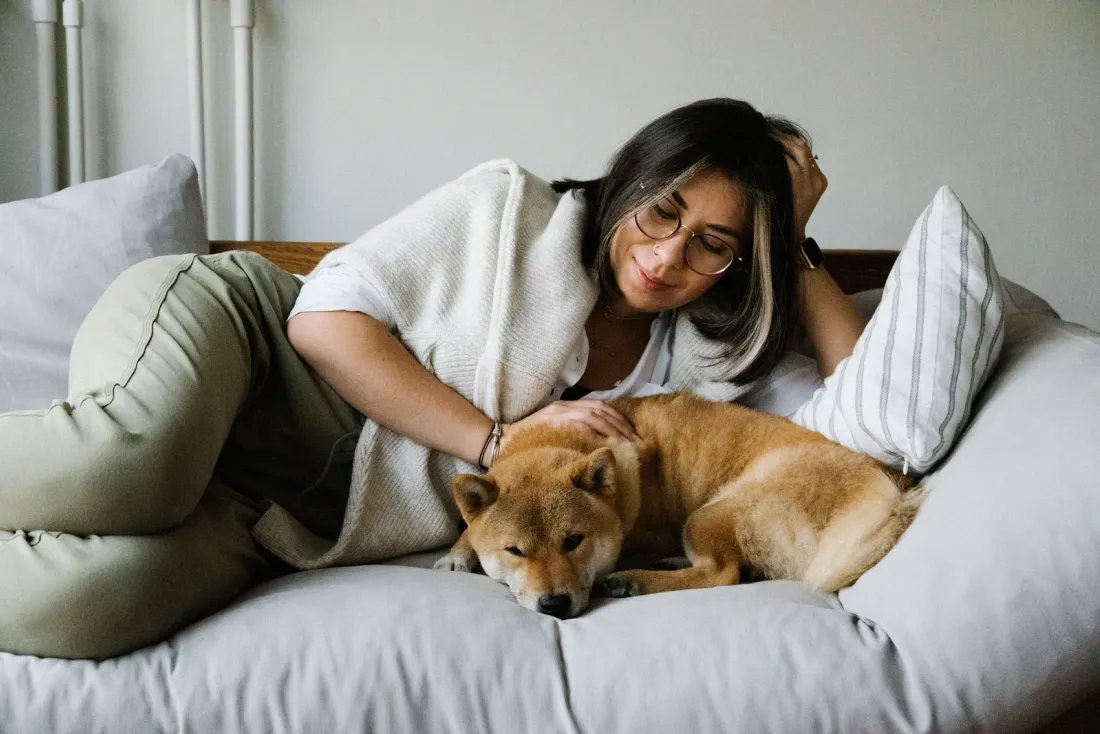
It suits you if you like an independent, clean, alert dog with strong opinions, you can train patiently with rewards and humour, you have a secure fence or you are happy to keep your dog on a lead, and you accept that your dog may never come when called. It suits owners who enjoy hiking and who can commit to early socialisation.
It does not suit you if you want an eager-to-please dog, you hope to let it off lead in open areas, you have small pets such as rabbits or hamsters, or you cannot tolerate loud vocalisation. It is also a poor match for families with very young children who cannot respect the dog's space, because some Shibas guard and do not like being grabbed. Apartment living is possible if the dog gets enough exercise, but thin walls and the scream can be a problem.
Shiba Inu fun facts
- The Shiba is the smallest of the six native Japanese breeds protected by the Nihon Ken Hozonkai.
- It was declared a Natural Monument of Japan in December 1936.
- The post-war breed was rebuilt from three bloodlines: Shinshu, Mino and San'in.
- The first Shiba recorded in the United States arrived in 1954 with a military family; AKC recognition came in 1992.
- Shibas groom themselves like cats and are often easy to housetrain.
- The breed's red coat, curled tail and white cheek patches (urajiro) are written into the FCI standard.
- Kabosu, the dog behind the Doge meme, was photographed in 2010 and died in May 2024 at about 18 years old.
Frequently asked questions
Are Shiba Inus good family dogs?
They can be, in calm homes with older children who respect the dog's space. They bond closely with their family but are not as eager to please as many other breeds, and some guard food and toys.
How big is a Shiba Inu?
About 36.5 cm for females and 39.5 cm for males at the shoulder, and roughly 8 to 11 kg.
How long do Shiba Inus live?
Project data gives 12 to 15 years.
What is the Shiba scream?
A loud, high shriek that Shibas make when they are upset, frightened or excited, often during handling or when picked up. It is a form of protest and communication, not usually a sign of pain.
Is the Shiba Inu an ancient breed?
The Shiba falls among the breeds that DNA studies place close to the base of the dog tree, and Japan's native dogs trace back to the Jomon and Yayoi periods. The registered breed itself was standardised only in 1934.
Why was the Shiba nearly extinct?
War-time food shortages and bombing in the 1940s, followed by distemper outbreaks in the 1950s and 1960s, left very few dogs. The breed was rebuilt from the Shinshu, Mino and San'in lines.
What are the most common Shiba Inu colours?
Red is the most common. The FCI also accepts black and tan, sesame, black sesame and red sesame, all with urajiro markings.
Do Shiba Inus shed?
Yes. Lightly all year, and heavily when the undercoat blows once or twice a year.
Read next
Sources (14)
- American Kennel Club, Shiba Inu breed page and breed history.
- Fédération Cynologique Internationale, Shiba, standard no. 257.
- Gojobori J. et al., study of Japanese wolf genomes and modern Japanese dogs, Nature Communications, 2024.
- Journal of Veterinary Medical Science, 2013, questionnaire study of behavioural characteristics and canine aggression in 400 Shiba Inus.
- National Shiba Club of America, breed information.
- Nihon Ken Hozonkai (Nippo), "History of the Shiba Inu", "About NIPPO" and hunting ability pages.
- Parker H.G. et al., "Genetic structure of the purebred domestic dog", Science, 2004.
- Parker H.G. et al., "Genomic analyses reveal the influence of geographic origin, migration, and hybridization on modern dog breed development", Cell Reports, 2017.
- Shannon L.M. et al., "Genetic structure in village dogs reveals a Central Asian domestication origin", PNAS, 2015.
- Population screening of GM1 gangliosidosis carriers in Miniature Shiba Inus in Japan, 2022, and BMC Veterinary Research, 2013, on the GLB1 mutation in Shiba Inus.
- Studies of Jomon dog mitochondrial and nuclear genomes, Anthropological Science and bioRxiv preprint, 2023.
- News reports on the death of Kabosu, May 2024.
- Wikipedia, "Shiba Inu" and "Nihon Ken Hozonkai" (used for dates and summaries, checked against the sources above).
- Project knowledge base, breed records and Parker 2017 shared-haplotype table (this site).